


You grabbed a fresh shirt an hour ago. It's already soaked. You're not at the gym — you're sitting at your desk, or waiting in line at the grocery store. Everyone around you looks fine, and you can't figure out why your body won't cooperate.
If that sounds familiar, you're not imagining it. Some people genuinely do sweat more than others — and summer in Southern California makes it harder to tell whether that's a physiology quirk, a heat response, or something worth addressing. This post breaks down the real reasons your body sweats more in summer, what separates normal from excessive, and when a medical solution is worth considering.
- In summer heat, the body produces up to 1 liter of sweat per hour — that's normal (NIH/NCBI, 1993).
- Sweat that disrupts daily life at least weekly, regardless of temperature, signals hyperhidrosis — not just heat.
- About 4.8% of Americans have hyperhidrosis; most never seek treatment (IHHS, 2023).
- miraDry is FDA-cleared and permanent, delivering an average 82% underarm sweat reduction in one visit.
How Does Your Body Actually Produce Sweat in Summer?
Your body contains between 2 and 4 million sweat glands distributed all over your skin, with the majority being eccrine glands responsible for regulating your body temperature. (International Hyperhidrosis Society). When summer temperatures climb — and in Carson and the South Bay, that regularly means 90°F-plus days from June through September — your hypothalamus (the brain's built-in thermostat) sends a signal that kicks the cooling system into gear. Eccrine sweat glands push water and electrolytes to the skin's surface, where evaporation pulls heat away from your body. It's a remarkably efficient system.
The problem is that the hypothalamus doesn't distinguish between "warm afternoon in Gardena" and "running a 5K." It reads core body temperature and responds accordingly. So if you're someone who runs warm naturally, lives in a poorly air-conditioned space, or has a physiology that's simply more reactive, your sweat output can look excessive — even when your body is technically doing exactly what it's supposed to do.
That said, not all heavy sweating has the same cause. Understanding the difference is the first step.

The body's cooling system activates the moment core temperature rises — perfectly normal in summer heat.
What's "Normal" Sweating in Summer, Anyway?
During intense heat or exercise, a healthy adult can produce up to 1 to 1.5 liters of sweat per hour — that's roughly a sports-bottle's worth in 60 minutes (NIH/NCBI, 1993).. So if you're sweating through a shirt during a midday walk in July, that can absolutely be within a normal range for someone exercising in high heat.
Normal summer sweating has a few consistent traits: it responds directly to heat or physical effort, it affects your whole body (not just one spot), and it slows down once you cool off or rest. The moment you step into air conditioning, your sweat rate drops. That feedback loop — heat triggers sweat, cooling stops it — is the hallmark of a body doing its job.
What isn't typical? Soaking through two shirts before noon when you've barely moved. Sweating through your armpits at a room-temperature dinner. Avoiding handshakes because your palms are always wet. Turning down social events because you can't predict or control your sweat.
Source: International Hyperhidrosis Society, 2023 | Hyperhidrosis Disease Severity Scale (HDSS)
5 Reasons You Might Be Sweating More Than Everyone Else
About 4.8% of Americans sweat far beyond what their body needs for cooling, according to the International Hyperhidrosis Society (2023) — but for millions more, heavy summer perspiration has a completely different explanation. Here are the five most common reasons you might be drenching shirts when others aren't, and how to tell which one applies to you.
1. You're in a Genuinely Hotter Environment
This sounds obvious, but it's worth saying. Southern California summers are no joke. The South Bay — Carson, Long Beach, Compton, Torrance — sits in a thermal zone that regularly hits the upper 80s and 90s, with humidity spiking near the coast. If you're working outdoors, commuting without AC, or spending time in spaces without adequate cooling, your body is simply working harder than someone in a climate-controlled office. That's normal physiology, not a problem.
2. Your Body Size or Metabolism Runs Higher
Larger body mass generates more heat during movement. People with faster metabolisms also run warmer at baseline. If you've always been a "hot person" — the one in the group who's always a little warm — this is likely a factor. Again, this is variation within normal, not a disorder.
3. Hormonal Shifts Are Changing Your Baseline
Estrogen and progesterone directly regulate body temperature. Women in perimenopause or experiencing hormonal fluctuations from pregnancy, the menstrual cycle, or thyroid dysfunction often notice sudden increases in sweating — particularly in summer when the baseline is already elevated. Thyroid conditions (both hypo and hyper) can also change your body's temperature regulation significantly. If the sweating feels new and is paired with other changes — mood shifts, fatigue, irregular cycles — a conversation with your primary care physician is the right first step.
4. You Have Primary Hyperhidrosis
Primary hyperhidrosis is a medical condition in which the nervous system over-signals sweat glands, producing far more sweat than the body needs for cooling. It's not caused by heat — it's caused by an overactive sweating reflex. An estimated 4.8% of the U.S. population has it, but only about half ever seek treatment because most people assume it's just who they are (International Hyperhidrosis Society, 2023).
Primary hyperhidrosis has a few telltale signs: it usually starts in childhood or adolescence, it tends to affect specific zones (armpits, hands, feet, or face — rarely everywhere), and it doesn't improve much with standard antiperspirants.
5. A Medication or Secondary Condition Is the Cause
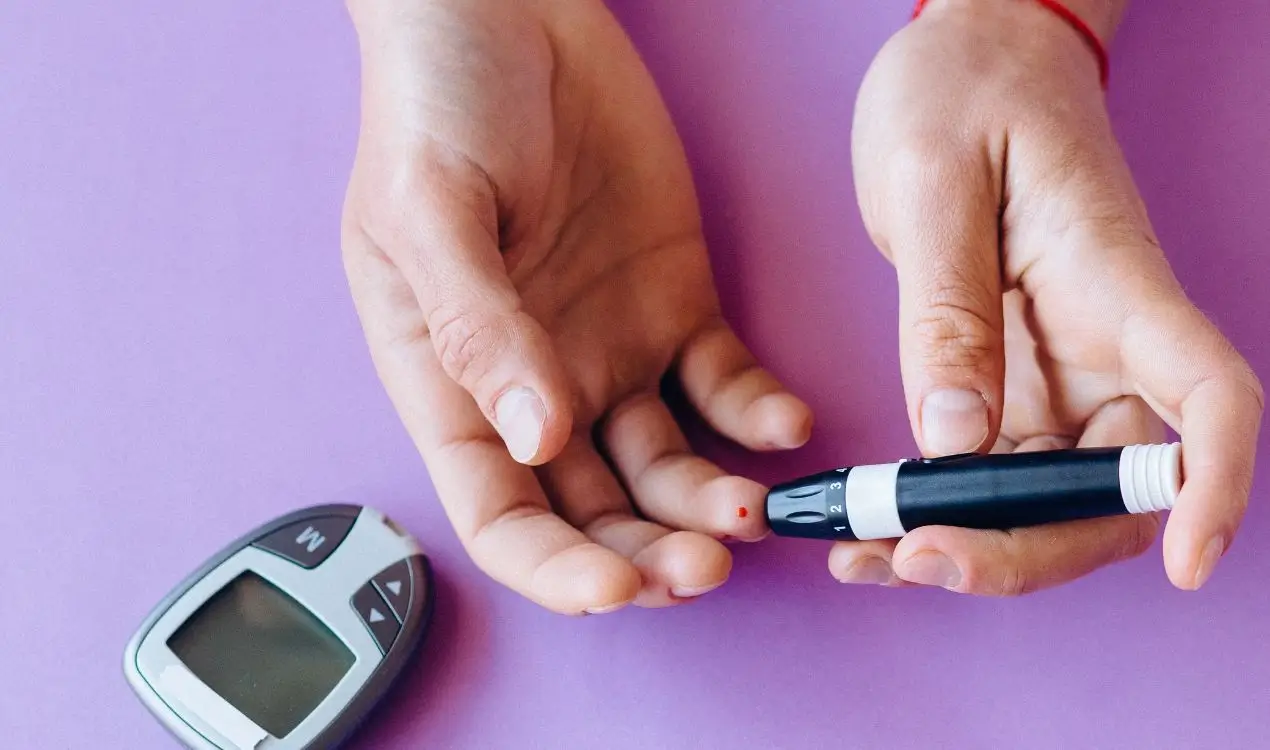
Certain antidepressants, blood pressure medications, and diabetes medications list excessive sweating as a side effect. Secondary hyperhidrosis — sweating caused by an underlying condition rather than an overactive nervous system — can also result from diabetes, heart disease, or infection. Unlike primary hyperhidrosis, secondary hyperhidrosis often causes sweating while asleep and tends to affect the whole body rather than specific zones.

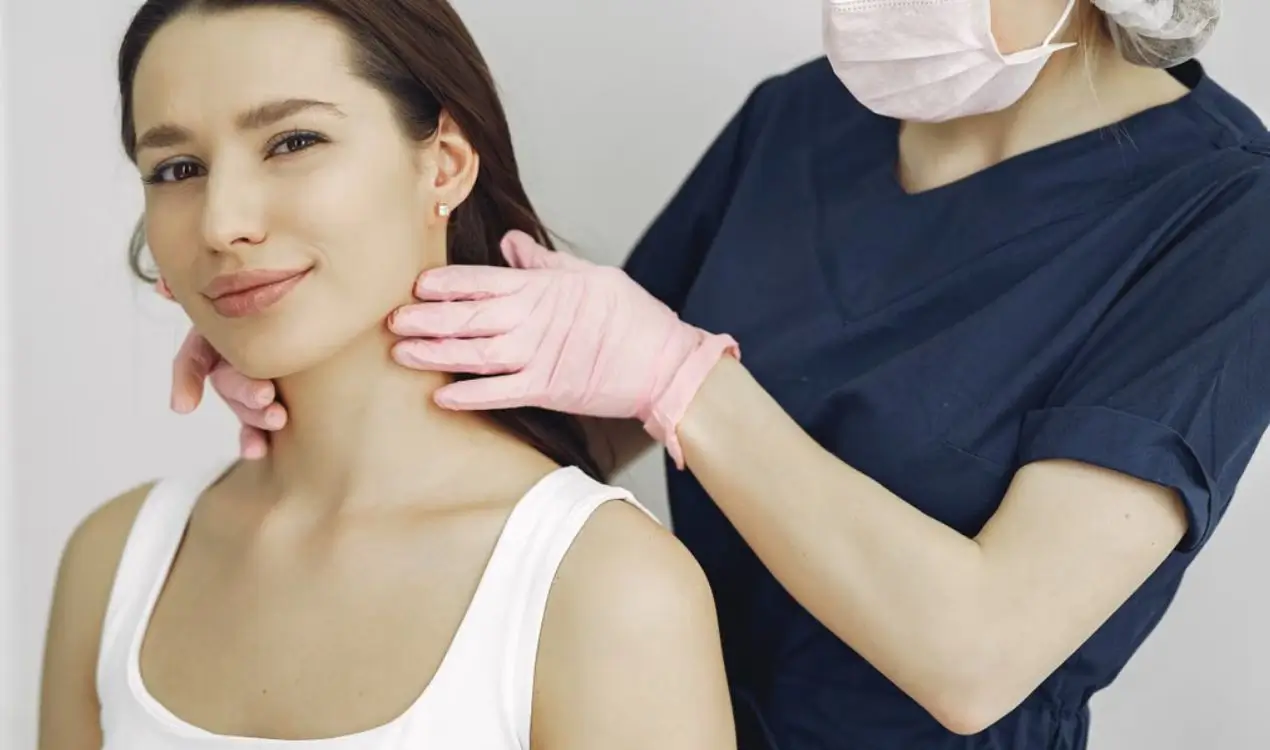
Knowing the cause is the first step. A clinical consultation takes less than an hour.
Could You Have Hyperhidrosis Without Knowing It?
According to the International Hyperhidrosis Society, approximately 50% of people with hyperhidrosis have never discussed it with a doctor — and many don't know it has a name (IHHS, 2023). They've spent years avoiding certain clothing colors, carrying extra shirts, skipping handshakes, or timing their lives around sweat. They've assumed this is just their body.
Hyperhidrosis is diagnosed clinically when sweating is excessive, unpredictable, and interferes with daily functioning. Doctors often use the Hyperhidrosis Disease Severity Scale (HDSS): a score of 3 or 4 — meaning sweat is "barely tolerable" or "intolerable and frequently interferes with daily activities" — is the clinical threshold for treatment.
If you answer yes to any of these, hyperhidrosis is worth investigating:
- Do your armpits sweat through clothing even when you're not moving or warm?
- Have you changed your wardrobe around sweat (darker colors, looser fits, natural fabrics)?
- Do you turn down social events or avoid physical contact because of sweat?
- Has sweating been an issue since you were a teenager, not just recently?
The good news: it's one of the most treatable conditions in dermatology.
According to clinical data, primary axillary (underarm) hyperhidrosis responds particularly well to miraDry — an FDA-cleared treatment that uses precisely controlled microwave energy to permanently eliminate the sweat and odor glands in the underarm. In clinical trials, patients experienced an average 82% reduction in underarm sweat after one treatment, with results that are permanent because the glands don't regenerate (miraDry clinical data, 2024).
What Can You Do When Summer Sweat Won't Let Up?
Botox injections can reduce underarm perspiration by up to 87%, but results typically last only 6 to 9 months — meaning most patients need two treatments per year to maintain results (International Hyperhidrosis Society). For patients who want to stop that cycle, a more permanent path exists. Here's how the full treatment ladder stacks up, from first line to permanent:
Over-the-counter options often don't cut it for true hyperhidrosis. Prescription aluminum chloride formulations work better and are worth trying first for mild cases. Apply at night to dry skin for best results.
Botulinum toxin injected into the underarm blocks the nerve signals that trigger sweat. It works well — typically delivering up to 87% reduction — but it lasts only 6 to 9 months and requires repeat visits twice a year. For many patients, the ongoing cost adds up fast.
If antiperspirants and Botox haven't solved the problem, or if you're tired of the maintenance cycle, miraDry is the only FDA-cleared, one-visit permanent solution. The treatment targets and eliminates underarm sweat and odor glands using microwave energy. Because sweat glands don't regenerate, the results don't fade.
At QD Skinnovations in Carson, CA, we offer miraDry as part of our medical-grade aesthetics practice. Most patients see an immediate improvement after a single session, with results that hold through every summer after.
Ready to Stop Sweating Through Summer?
If excessive underarm sweating is affecting your confidence, your wardrobe, or your daily life, a complimentary miraDry consultation at QD Skinnovations is the most direct next step. We're in Carson, CA — serving Long Beach, Torrance, Compton, Wilmington, and across the South Bay.
Book Your Complimentary Consultation →No obligation. FDA-cleared. Official miraDry provider.
Frequently Asked Questions
Up to 80% of women going through the menopause transition report hot flashes or night sweats as a primary symptom (The Menopause Society, 2023). Sudden increases in summer sweating are most commonly tied to hormonal shifts, a new medication, or a change in your environment. If the pattern is unexplained and paired with fatigue, mood changes, or irregular cycles, a conversation with your doctor is the right first step.
Not usually. A healthy adult can produce up to 1.5 liters of sweat per hour in peak summer heat — that's a working cooling system, not a health problem (NIH/NCBI, 1993).. When perspiration happens without a heat trigger, interrupts daily life weekly, or won't stop even in cool rooms, that pattern points to hyperhidrosis — a recognized medical condition, not poor health.
Yes — and it's measurable. The Hyperhidrosis Disease Severity Scale (HDSS) scores patients from 1 to 4; scores of 3–4 ("barely tolerable" to "intolerable and constantly interfering") spike significantly in warmer months as ambient heat amplifies an already overactive sweat reflex. Symptoms that rate a 2 in winter can easily hit 4 by July, particularly in South Bay's inland-facing neighborhoods where heat accumulates without coastal breeze.
miraDry is FDA-cleared and has been performed in over 150,000 treatments worldwide. It's specifically designed for underarm sweating and is not indicated for palms, feet, or other areas. Most patients with primary axillary hyperhidrosis are good candidates. A consultation with a certified miraDry provider — like QD Skinnovations — determines individual suitability and sets realistic expectations for results.
If prescription-strength antiperspirant hasn't provided meaningful relief after 2–4 weeks of consistent use, miraDry is worth exploring. In clinical trials, miraDry delivers an average 82% reduction in underarm perspiration after a single treatment — permanent results that antiperspirants can't match (miraDry, 2024). The consultation at QD Skinnovations is complimentary, and you'll leave with a clear picture of where you fall on the treatment ladder.
The Bottom Line
Summer sweating is normal — up to a point. Your body is doing exactly what it's supposed to do when temperatures spike. But if you're soaking through shirts in air-conditioned rooms, avoiding social situations, or managing your life around sweat, that's not just the heat. That's a pattern worth taking seriously.
The difference between normal summer sweat and hyperhidrosis isn't always obvious, but a qualified provider can tell you within a single conversation which category you're in — and what your options are.
Learn how miraDry permanently eliminates underarm sweat →QD Skinnovations is an official miraDry provider located in Carson, CA, serving the South Bay including Long Beach, Torrance, Compton, Gardena, and Wilmington. Our team offers complimentary consultations for patients exploring hyperhidrosis treatment options.



2 Responses