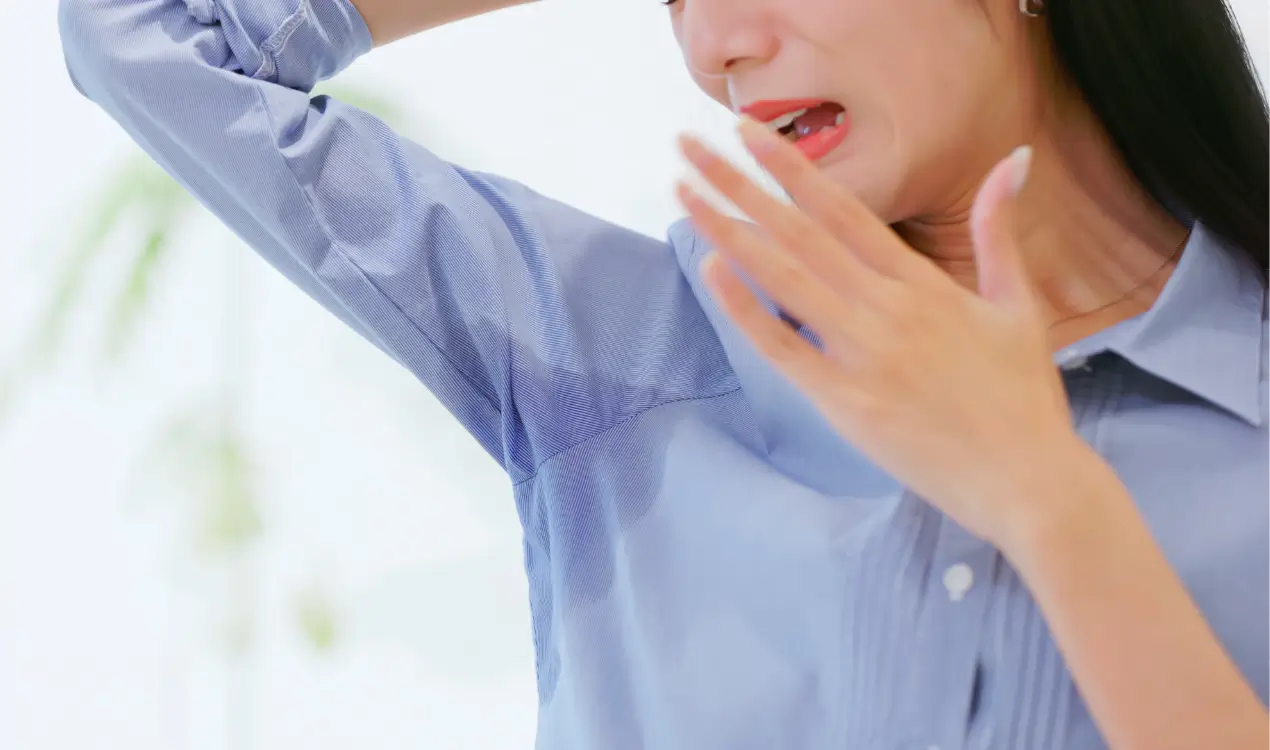

Daily habits that make hyperhidrosis worse are often the last thing people think to examine. You've tried every deodorant on the shelf. You've changed your shirts mid-day, avoided light-colored fabrics, and turned down social invitations because of one thing: sweating that simply won't stop. If this sounds familiar, you're not alone, and more importantly, you're not imagining it.
Hyperhidrosis affects an estimated 385 million people worldwide, according to the International Hyperhidrosis Society, and for many, the frustration isn't just the sweating itself. It's not knowing why it keeps getting worse. The truth is, several everyday habits could be quietly making your symptoms more intense without you even realizing it.
In this guide, we break down the 7 most common daily triggers that worsen hyperhidrosis, what the science says about each one, when lifestyle changes aren't enough, and what lasting solutions actually look like.
First: What Exactly Is Hyperhidrosis?
Hyperhidrosis is a medical condition characterized by excessive sweating that goes beyond what the body needs for temperature regulation. It's not a hygiene issue. It's not a personal failing. It is a physiological dysfunction of the sweat glands, often driven by overactive nerves that signal the eccrine glands to produce sweat even when the body doesn't require cooling.
There are two primary types:
- Primary focal hyperhidrosis — occurs without an underlying medical cause, typically affecting the underarms, hands, feet, or face. This is the most common type.
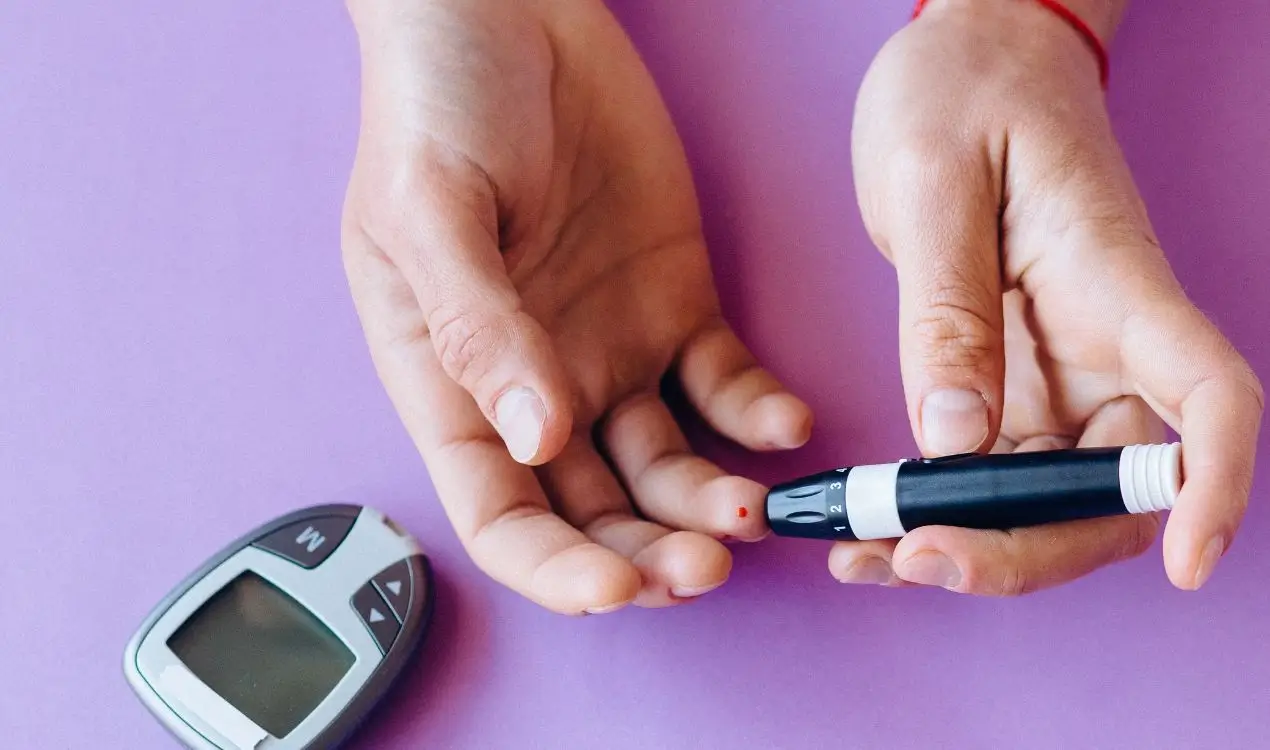
- Secondary generalized hyperhidrosis — triggered by an underlying condition (such as diabetes, thyroid disorders, or certain medications) and tends to affect the body more broadly.
While hyperhidrosis has a biological root, certain daily habits can significantly amplify its severity. Understanding those triggers is the first step toward taking back control.
Your Diet: Caffeine, Spicy Foods, and Alcohol
What you eat and drink has a more direct relationship with sweat production than most people realize. Certain foods and beverages activate the sympathetic nervous system — the same system responsible for triggering your sweat glands.
Caffeine is a stimulant that raises heart rate, increases blood pressure, and activates the central nervous system, all of which signal the body to produce more sweat. If you start your morning with two or three cups of coffee, you may be front-loading your body with one of the most common sweat triggers before you've even left the house.
Spicy foods contain capsaicin, a compound that binds to heat receptors in your mouth and tricks your nervous system into thinking your body temperature is rising. The result? Your sweat glands activate to "cool you down" even though your temperature hasn't actually changed.
Alcohol causes blood vessels to dilate and raises skin temperature, which again, signals your body to sweat. It also disrupts the autonomic nervous system, which regulates involuntary functions like sweat production.
Wearing the Wrong Fabrics
Clothing is your body's first layer of temperature management and the wrong choice can turn a manageable situation into an uncomfortable one quickly. Synthetic fabrics such as polyester, nylon, and rayon trap heat and prevent moisture from evaporating. When sweat can't evaporate from the skin's surface, body temperature rises further, which sends yet another signal to your sweat glands to produce more.
Tight-fitting clothing compounds the problem by reducing airflow across the skin. The combination of heat retention and poor ventilation creates a feedback loop that worsens sweating throughout the day, particularly in high-friction areas like the underarms, groin, and back.
It's also worth noting that dark-colored clothing, while often chosen to hide sweat stains, tends to absorb more heat from sunlight and warm environments, which can paradoxically increase sweating.
Stress and Anxiety — The Sweat-Stress Cycle
This is the trigger that many people with hyperhidrosis describe as the most vicious: the more you sweat, the more anxious you feel; and the more anxious you feel, the more you sweat. This cycle is not just anecdotal, it is physiologically documented.
Emotional stress activates the fight-or-flight response, releasing adrenaline and cortisol. These hormones directly stimulate the eccrine sweat glands, particularly in the underarm, palm, and plantar regions — independent of body temperature. This is why you can sweat profusely in an air-conditioned room during a job interview, or before a social event, even when your body has no need to cool itself.
For people with primary focal hyperhidrosis, this emotional-sweating connection is especially pronounced. Studies suggest that the sympathetic nerves governing sweat glands in hyperhidrosis patients may be hyperresponsive to psychological stimuli, meaning even mild stress can trigger a disproportionate sweating response.
Deodorant and Skincare Misuse
There is a meaningful difference between a deodorant and an antiperspirant — and confusing the two is an extremely common habit that leaves hyperhidrosis sufferers wondering why nothing works.
Deodorants mask or neutralize odor but do not reduce sweat production. Antiperspirants contain aluminum-based compounds that temporarily block sweat ducts, reducing the amount of sweat that reaches the skin's surface. If you're reaching for a deodorant when you need an antiperspirant, you're addressing the wrong problem entirely.
Application timing also matters significantly. Clinical-strength antiperspirants are most effective when applied to completely dry skin at night, not in the morning after a shower. At night, sweat production is naturally lower, giving the aluminum compounds time to form a more effective plug in the sweat ducts before the next day's activity.
Even clinical-strength antiperspirants have a ceiling for people with moderate to severe hyperhidrosis. They can help manage mild symptoms, but they are not a long-term solution for everyone. If you're unsure which products are right for your skin, a professional skincare product consultation can help you build a routine that supports, rather than worsens your condition.
Spending Time in Overheating Environments
This may seem obvious, but many people underestimate how dramatically their environment affects their sweating and how much control they actually have over it. Hot, humid environments with limited airflow directly activate the thermoregulatory sweating response, and for hyperhidrosis patients, this response is already exaggerated.
Common environmental traps include poorly ventilated workspaces, cars without air conditioning, crowded indoor venues, and kitchens or cooking environments with high ambient heat. Even sitting near a heat source or wearing multiple layers indoors can push body temperature past the threshold that triggers a sweating episode.
Pre-cooling or lowering your body temperature before entering a warm environment through cool water exposure or a cool shower, is also a documented technique for reducing the severity of heat-triggered sweating episodes.
Inadequate or Inconsistent Hygiene Routines
A lack of consistent hygiene doesn't cause hyperhidrosis, but it can worsen its symptoms and significantly increase associated discomfort, odor, and skin complications. Sweat itself is largely odorless. The unpleasant smell associated with excessive sweating comes from bacteria on the skin's surface breaking down sweat compounds, particularly in warm, moist areas like the underarms.
When high-sweat skin areas aren't cleansed consistently and thoroughly, bacterial colonies proliferate rapidly, increasing odor production and raising the risk of secondary skin conditions including intertrigo (skin fold inflammation), fungal infections, and folliculitis.
Additionally, infrequent changes of clothing and bedding in people with hyperhidrosis allows sweat residue to accumulate, creating an environment that perpetuates bacterial growth and skin irritation even after cleansing.
Avoiding Professional Assessment — The Hidden Habit
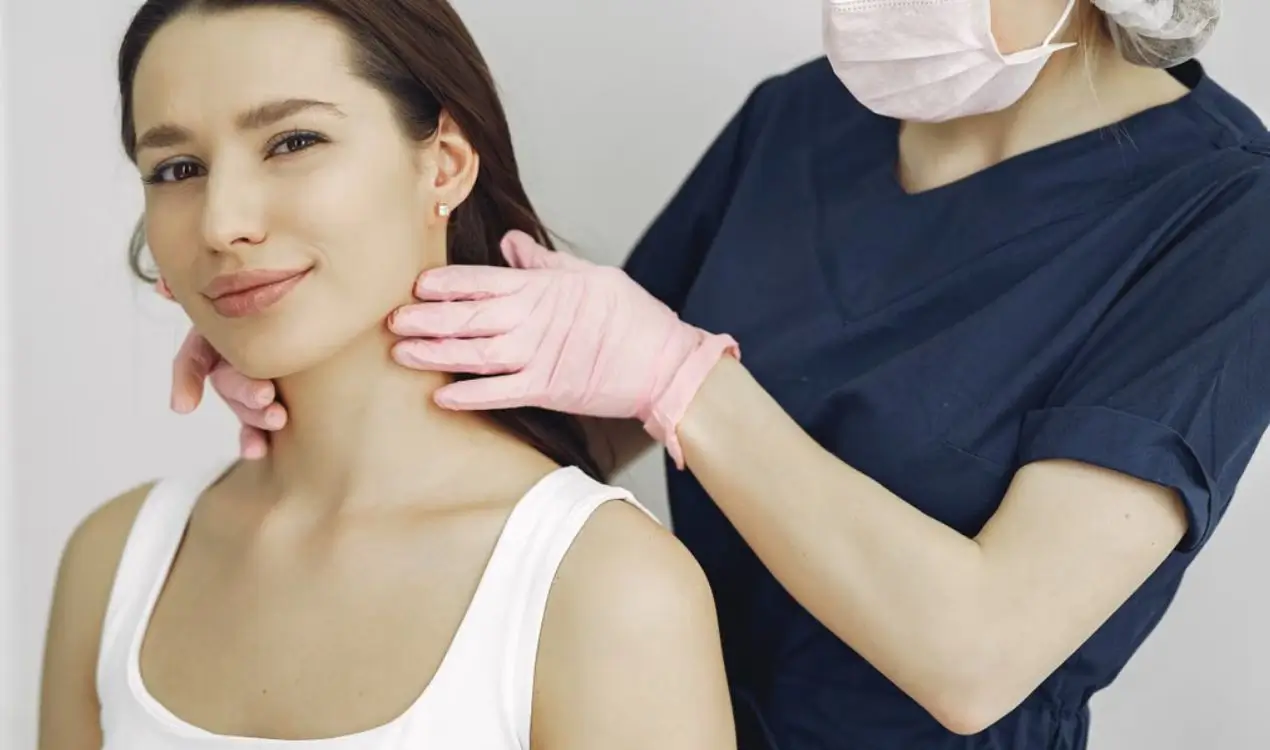
Perhaps the most overlooked trigger of worsening hyperhidrosis is the habit of not seeking professional evaluation. Many people with hyperhidrosis spend years cycling through over-the-counter products and lifestyle modifications before realizing that their condition has a clinical basis and clinically effective solutions.
Without professional assessment, secondary causes of hyperhidrosis (such as thyroid dysfunction, hormonal imbalances, or medication side effects) go unidentified. Additionally, patients miss access to prescription-strength treatments, procedural options, and professional guidance that could dramatically improve their quality of life.
The longer excessive sweating goes professionally unaddressed, the more entrenched the psychological and social toll becomes — increasing anxiety, avoidance behavior, and the very stress that amplifies sweating further.
When Lifestyle Changes Aren't Enough
The triggers above are real, and addressing them can reduce the frequency and intensity of sweating episodes. Understanding the daily habits that make hyperhidrosis worse is a powerful first step, but for people with true hyperhidrosis, especially primary focal hyperhidrosis — lifestyle modifications alone rarely eliminate the problem.
That's because the root issue isn't your habits. It's overactive sweat glands responding to signals they were never supposed to receive at that intensity. No amount of dietary adjustment or fabric choice will recalibrate that neurological response on its own.
If you've made consistent lifestyle changes and are still struggling, it's time to consider what's available beyond the drugstore shelf.
miraDry: Lasting Relief from Hyperhidrosis
miraDry is an FDA-cleared, non-surgical treatment designed to permanently reduce sweat and odor production in the underarms. It works using precisely controlled thermal energy (miraWave technology) to eliminate the sweat and odor glands in the underarm area. Because sweat glands do not regenerate, the results are lasting.
Unlike antiperspirants that offer temporary, partial relief, or Botox injections that require repeat visits every 4–6 months, miraDry delivers long-term reduction in a single clinical visit with minimal downtime. Most patients return to normal activity within a few days.
The procedure also reduces underarm odor and, in many cases, unwanted underarm hair — as all three are produced by glands in the same region. For patients who have spent years managing hyperhidrosis around their daily lives, miraDry often represents a genuinely life-changing shift.
At QD Skinnovations in Carson, our team is trained and experienced in miraDry treatments, offering personalized consultations to determine whether you are a candidate and what results you can realistically expect.
The Takeaway
Hyperhidrosis is not something you simply have to live with but understanding what's making it worse is a critical first step. From the coffee you drink each morning to the fabrics you wear, the stress you carry, and the skincare products you reach for, daily habits can either support or significantly worsen your symptoms.
The good news is that each trigger is addressable. And for those whose sweating goes beyond what lifestyle changes can manage, medical solutions like miraDry now make it possible to address the problem at its source permanently.
You don't have to keep planning your life around excessive sweating. There is a path forward, and it starts with an informed conversation with a professional who understands exactly what you're dealing with.
Ready to Stop Managing and Start Living?
Book a complimentary hyperhidrosis consultation at QD Skinnovations in Carson. Our specialists will evaluate your condition and walk you through every option available to you — including miraDry.