
The non-surgical rhinoplasty market hit $815.69 million in 2024 and is on track to nearly triple by 2035 (MetaTech Insights, 2025). That growth has attracted skilled practitioners and unqualified ones in equal measure. A 2023 study published in the Annals of Plastic Surgery found that 96% of patients were genuinely alarmed to discover that any licensed physician — regardless of aesthetic training — can legally perform nose thread lifts in the United States (PMC, 2023). That credential gap is exactly what underqualified providers exploit.
So before you search for the "best clinics for nose thread lift near me," you need a checklist — one grounded in peer-reviewed safety data, not marketing language. This guide covers seven specific criteria that distinguish results-driven, clinically safe providers from the ones you should avoid.
Key Takeaways
- An updated systematic review of 9,657 patients found a 99.08% overall satisfaction rate for non-surgical rhinoplasty — but only when performed by trained providers under proper clinical protocols (Aesthetic Plastic Surgery, 2024).
- 96% of patients didn't know any licensed physician can legally perform aesthetic procedures — this credential knowledge gap puts consumers at risk (Annals of Plastic Surgery, 2023).
- 84% of patients say rate-and-review websites directly influence their clinic choice — but reviews should be one of several vetting criteria, not the only one (ASDS, 2023).
- PDO absorbable threads hold 86% of the aesthetic thread market — make sure your clinic uses FDA-cleared, manufacturer-verified PDO threads (Grand View Research, 2024).
01 Does the Provider Hold Recognized Aesthetic Credentials?
A 2023 study in the Annals of Plastic Surgery found that 96% of patients were alarmed — and 0% had initially known — that any licensed physician can legally perform aesthetic procedures in the U.S., including nose thread lifts (PMC, 2023). That means a title like "medical professional" or "aesthetic specialist" tells you very little without digging deeper.
The credential you're looking for is specific: a board-certified nurse practitioner (NP) with dedicated aesthetic training, a dermatologist, or a plastic surgeon with fellowship-level training in minimally invasive procedures. General practitioners or physicians without formal aesthetic education can legally offer these services but lack the procedural depth that directly protects your safety and result quality.
- Board-certified NP or physician with formal aesthetic specialty training
- Documented continuing education specifically in PDO thread techniques
- Membership in recognized bodies: ASDS, ASAPS, or the Aesthetic Society
- Direct hands-on experience with nasal anatomy and thread lift procedures
- Credentials visible on the clinic website — not just job titles
02 Is the Clinic Operating Under Licensed Medical Director Oversight?
The U.S. medspa industry grew from 8,899 to 10,488 locations in a single year — a 17.9% jump documented in the AmSpa 2024 Medical Spa State of the Industry Report (AmSpa, 2024). Not all of those clinics operate under proper medical oversight, and the difference in patient safety is significant.
A legitimate nose thread lift clinic should operate under a licensed medical director who is ultimately responsible for clinical protocols and patient safety standards. In most states, this is a legal requirement for clinics offering injectable or thread-based procedures — but enforcement varies, and patient awareness is low.

- Named medical director listed on the clinic website or available on request
- State-compliant medspa license (ask for the license number)
- Formal pre-procedure screening protocol (not just a verbal intake)
- Emergency response procedures documented and on-site equipment present
- Sterile, clinical-grade treatment room — not a repurposed salon space
Ask directly: "Who is your medical director, and what is their specialty?" A clinic that hesitates on this answer is telling you something important.
Source: AmSpa 2024 Medical Spa State of the Industry Report. Rapid industry growth increases the importance of individual clinic vetting.
03 What Thread Type Does the Clinic Use — and Where Are They Sourced?
The global aesthetic threads market is projected to grow at a 6.8% CAGR through 2030, with absorbable PDO (polydioxanone) threads commanding an 86% product share (Grand View Research, 2024). PDO threads are the clinical benchmark for nose thread lifts — but their dominance in market share doesn't mean every clinic sources them responsibly. Thread quality directly determines both your aesthetic outcome and your safety profile.

- PDO (polydioxanone) threads only — fully absorbable, FDA-cleared category
- CE-marked or FDA-cleared products from a named, verified manufacturer
- Single-use, sterile-packaged threads — opened in front of you during prep
- Appropriate thread gauge and configuration for nasal anatomy specifically
- Provider can explain the thread brand and its clinical application
Don't hesitate to ask: "What brand of threads do you use, and can I see the packaging?" Any reputable clinic will answer without hesitation. If a provider can't name the manufacturer or the product line, that's a red flag — not a minor one.
04 Can the Clinic Show a Portfolio of Nose Thread Lift Results Specifically?
The ASDS 2023 Consumer Survey of 3,503 patients found that 23% cite before-and-after photos as a top provider selection factor, and more than 50% say a provider's social media presence influences their booking (ASDS, 2023). A strong portfolio isn't just a marketing asset — it's clinical evidence of consistent outcomes.
What separates a credible portfolio from a curated one? The specificity of the cases shown, the photography consistency, and the diversity of nose shapes and ethnicities represented. Anyone can show one flattering result. A reliable clinic can show 20 of them — across different starting points and treatment goals.
- Real patients, not stock photography or composites
- Multiple angles: front, profile (90°), and three-quarter view
- Consistent, neutral lighting across before and after shots
- Results across varied nose shapes, skin tones, and ethnicities
- Disclosure of thread count and technique used (optional but a strong trust signal)
05 How Thorough Is the Consultation Process?
AmSpa data shows that 73% of medspa patients are repeat clients (AmSpa, 2024). That loyalty doesn't happen by accident — it reflects clinics that invest seriously in patient relationships from the very first interaction. The consultation is where that investment is visible.
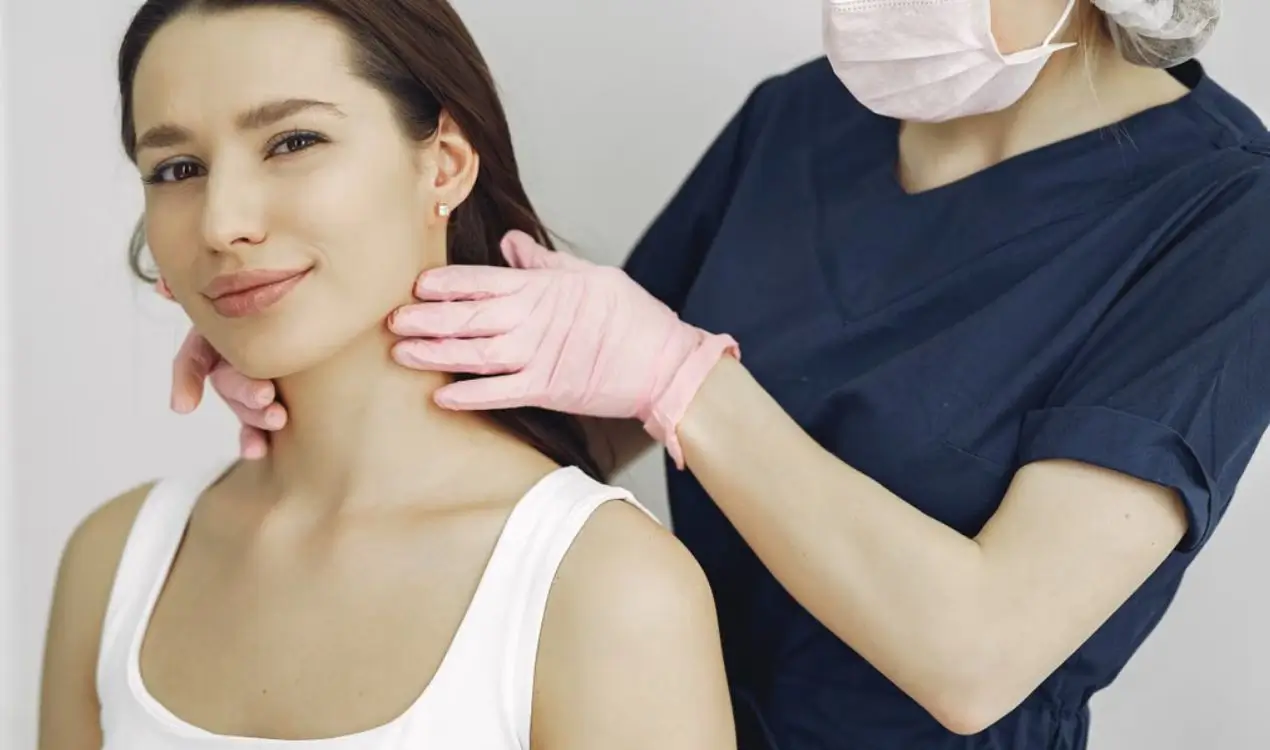
A thorough consultation isn't just a formality before the procedure. It's a medical intake, an anatomy assessment, and a treatment planning session rolled into one. If a clinic's "consultation" amounts to 10 minutes of photos and an upsell pitch, that tells you exactly how much clinical rigor they apply to the procedure itself.

- Complete medical history intake — including medications and prior facial procedures
- Facial anatomy assessment by the treating provider, not an intake coordinator
- Explicit discussion of realistic outcomes — and what a thread lift cannot achieve
- Clear explanation of thread placement, procedure duration, and recovery expectations
- Written aftercare instructions provided before the appointment, not at checkout
06 Does the Clinic Disclose Complication Rates and Safety Protocols?
A 2024 systematic review published in Aesthetic Plastic Surgery analyzed 9,657 patients across 30 studies and found a 99.08% overall patient satisfaction rate for non-surgical rhinoplasty — but serious vascular complications, including arterial occlusion and tissue necrosis, occurred in 0.27% of cases (PubMed/Aesthetic Plastic Surgery, 2024). That figure is small — but it means informed consent and documented emergency protocols are non-negotiable.
Honest providers discuss risk. They don't minimize it or bury it in the consent form you're asked to sign five minutes before the procedure. A provider who explains the risk profile upfront — including what they do when something goes wrong — is demonstrating exactly the clinical accountability that protects you.
Source: Aesthetic Plastic Surgery (PubMed, 2024), analysis of 9,657 patients across 30 studies. Serious complication rates reflect outcomes under trained clinical supervision.
- Written informed consent that names specific risks — not just a generic waiver
- Hyaluronidase on-site for emergency vascular event response
- Clear briefing on post-procedure warning signs before you leave the clinic
- Documented adverse event response protocol — ask to see it
- Direct physician backup accessible if the treating provider is an NP
07 What Do Independent Reviews Say — and Is Pricing Transparent?
The ASDS 2023 Consumer Survey found that 84% of patients say rate-and-review websites impact their provider selection, while 33% cite price as a top decision factor (ASDS, 2023). Reviews and pricing both matter — but the order in which you weight them against credentials and safety protocols matters even more.
Independent reviews on Google Business Profile, RealSelf, and Healthgrades give you unfiltered patient sentiment. Look for patterns across multiple reviews rather than focusing on any single five-star rating. Clinics that consistently appear in reviews for the quality of their consultation, follow-up care, and honest communication have earned that reputation — not curated it.
- Google Business Profile with responded-to reviews (shows active engagement)
- RealSelf profile with verified patient ratings for thread lift procedures
- Yelp and Healthgrades listings maintained with up-to-date information
- Per-session pricing available on the website or provided clearly in consultation
- No hidden fees for consultations, aftercare, or follow-up appointments
On pricing: the non-surgical rhinoplasty market is valued at $815.69 million because this procedure requires premium materials, skilled technique, and clinical infrastructure. Clinics that dramatically undercut market rates typically do so by reducing thread quality, consultation depth, or follow-up support. If a price seems too good to be true in this category, it usually is.
Source: American Society for Dermatologic Surgery (ASDS) 2023 Consumer Survey, n = 3,503 respondents. Multiple responses allowed.
Ready to Book with Confidence?
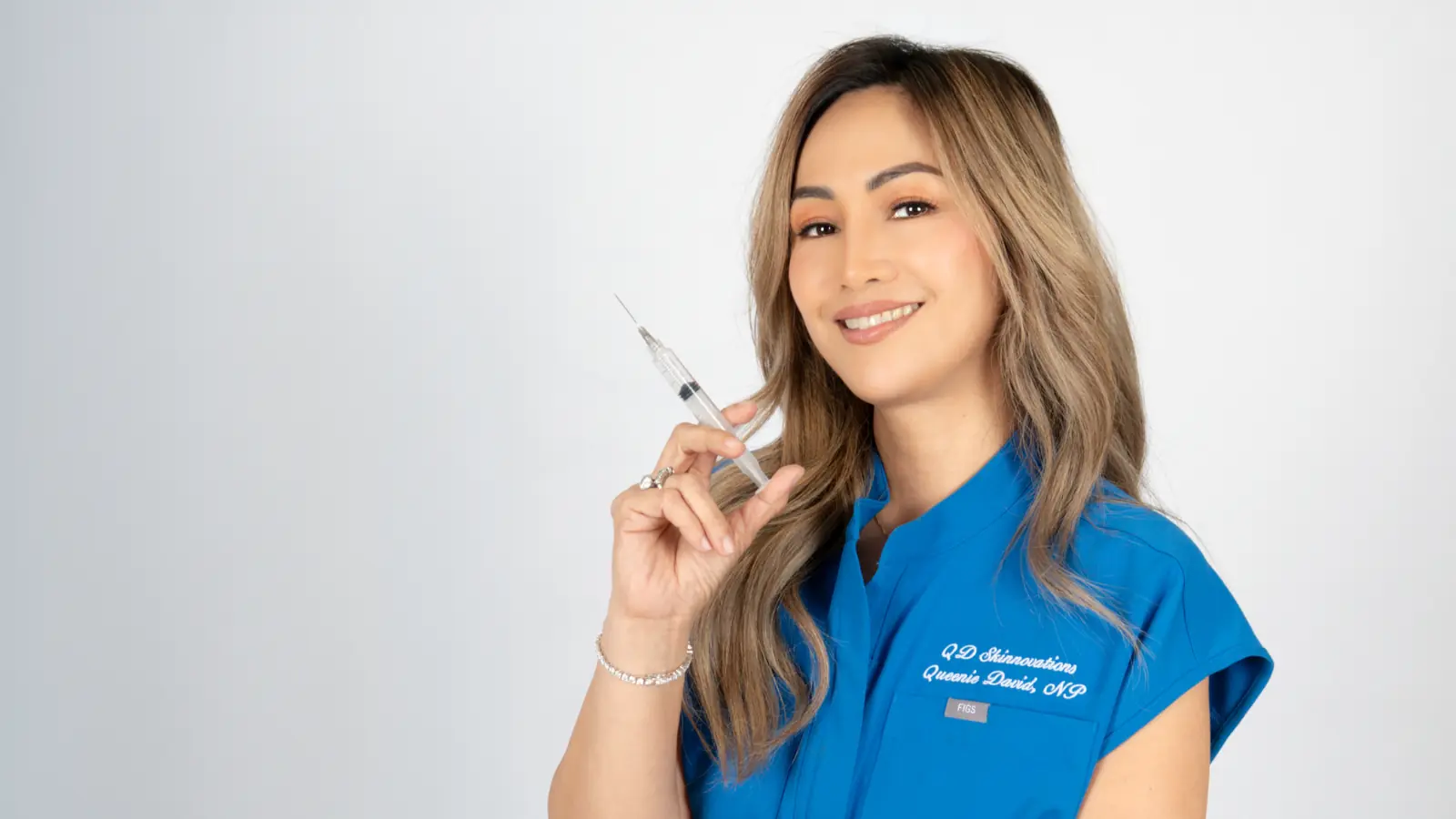
QD Skinnovations offers nose thread lift consultations led by board-certified nurse practitioners — no upsells, no rushed intake, just a medically informed plan tailored to your anatomy and goals.
Book Your Consultation at QD SkinnovationsFrequently Asked Questions
How long do nose thread lift results last?
Nose thread lift results typically last 12 to 18 months as PDO threads gradually absorb into the surrounding tissue and stimulate collagen production. A 2024 systematic review of 9,657 patients found a 99.08% satisfaction rate, with most patients opting for follow-up treatment to maintain results (Aesthetic Plastic Surgery, 2024).
Is a nose thread lift safe?
When performed by a board-certified provider in a licensed clinical setting, nose thread lifts carry a very low serious complication rate. A 2024 review of 9,657 patients found serious adverse events in just 0.27% of cases, with the vast majority reporting satisfactory outcomes (Aesthetic Plastic Surgery, 2024). Provider selection is the primary variable in your safety outcome.
How much does a nose thread lift cost?
Pricing varies by provider, region, and the number of threads required for your anatomy. Given the non-surgical rhinoplasty market's 8.21% projected annual growth (MetaTech Insights, 2025) and strong consumer demand, evaluate clinics on credentials and portfolio quality first. Unusually low pricing is frequently associated with reduced thread quality or shortened consultation time.
What questions should I ask before booking a nose thread lift?
Ask about the provider's credentials and aesthetic certifications, the specific thread brand and gauge they use, how many nose thread lifts they've performed, what their complication response protocol is, and whether you can review before-and-after photos from actual patients with similar anatomy.
What's the difference between a nose thread lift and surgical rhinoplasty?
A nose thread lift is a minimally invasive, non-surgical procedure using absorbable PDO threads to refine nose shape, lift the tip, or correct minor asymmetry — with no incisions or general anesthesia. Surgical rhinoplasty produces permanent structural changes but carries significantly higher risks and recovery time. Non-surgical procedures accounted for over 20.5 million treatments globally in 2023 (ISAPS, 2024), reflecting strong preference for minimally invasive options.
The Bottom Line
Choosing the right clinic for a nose thread lift isn't about finding the closest option or the one with the most social media followers. It's about verifying the credentials behind the procedure, confirming the clinical environment, understanding the materials being used, and trusting the process start to finish.
The seven criteria in this guide give you a concrete, evidence-based framework — grounded in peer-reviewed safety data and consumer behavior research, not marketing copy. Clinics like QD Skinnovations, led by board-certified nurse practitioners with dedicated aesthetic training, represent exactly the standard this checklist describes: qualified providers, clinical-grade PDO threads, and a consultation-first approach that puts your anatomy and safety first.
With 20.5 million non-surgical aesthetic procedures performed globally in 2023 and that number growing every year, the market is saturated. Your checklist is your protection.