
No — for most people, sweating heavily is a sign of a well-functioning body, not a failing one. The body depends on sweat to regulate its core temperature, and producing more of it — especially during activity — often reflects cardiovascular fitness rather than illness. That said, a small number of medical conditions do cause abnormal sweating, and knowing the difference is worth understanding.
At QD Skinnovations in Carson, CA, patients arrive regularly convinced that heavy sweating signals an internal problem. In most cases, it doesn’t. But the worry sometimes delays treatment of primary hyperhidrosis — a condition with nothing to do with health status and everything to do with an overactive sweat response that can be permanently resolved.
- The body produces as little as 0.5 L of sweat per day at rest; trained athletes can produce over 3.7 L per hour during exertion — both are completely normal (NIH Research, 2013)
- Primary hyperhidrosis affects 4.8% of Americans and is explicitly not caused by any medical condition (Archives of Dermatological Research, 2016)
- Three conditions that do cause secondary sweating — hyperthyroidism, diabetes-related neuropathy, and certain infections — each present with other distinguishing symptoms
- miraDry produces an average 82% sweat reduction at 18 months with 90% patient satisfaction (Dermatologic Surgery, 2012)
How Much Sweating Is Actually Normal?
The human body maintains core temperature at 37°C ± 0.5°C, and sweating accounts for approximately 22% of total body heat loss during physical activity (StatPearls, NCBI, 2023). At rest in a comfortable room, the average person produces as little as 0.5 liters of sweat per day. During intense exercise, that rate climbs to 3–4 liters per hour, and elite athletes in prolonged heat have been documented producing up to 3.7 liters per hour (NIH Research, 2013).
Fitter people sweat more — not less. Research comparing trained long-distance runners against sedentary controls found athletes produced 34–46% higher sweat rates during exercise, began sweating 19% faster, and generated greater output per individual sweat gland (PLOS ONE, 2014). A comprehensive review in Physiological Reviews (2021) confirms this is a training adaptation — the fit body cools itself more efficiently. Visible heavy sweating during exercise may simply mean your cardiovascular system is well-conditioned.
The sweating pattern that warrants attention looks different: it occurs regardless of heat or effort, concentrates in specific areas (underarms, palms, soles of feet), and persists no matter the ambient temperature. If that sounds familiar, understanding why heat intolerance and heavy sweating don’t always share the same cause is a useful starting point.
According to NIH Research (2013), the eccrine sweat gland system — when functioning optimally — represents one of biology’s most efficient cooling mechanisms, capable of dissipating hundreds of watts of metabolic heat. Volume alone says nothing about pathology.
Does Sweating a Lot Mean Something Is Wrong With Your Health?
For most people, no. There’s also a persistent belief worth addressing directly: that sweat is how the body “detoxifies.” A peer-reviewed analysis published in Temperature, Austin (2019) concluded that the role of sweating in eliminating waste products or toxicants is minor compared with the kidneys and gastrointestinal tract. Sweat is primarily water, sodium, and trace electrolytes — not a meaningful detox mechanism. Sweating heavily doesn’t mean your body is purging toxins; it means your cooling system is doing its job.
At QD Skinnovations, we see a recurring pattern: patients who’ve spent years interpreting visible sweat as evidence of an internal problem — poor diet, sluggish metabolism, a hidden illness. They’ve tried cleanses, reduced physical activity to sweat less, and avoided social situations. In nearly every case, the sweating was the problem itself, not a signal of something deeper. Separating those two possibilities — heavy sweating as a symptom versus heavy sweating as the condition — is what makes an accurate evaluation so valuable.

Which Medical Conditions Can Cause Excessive Sweating?
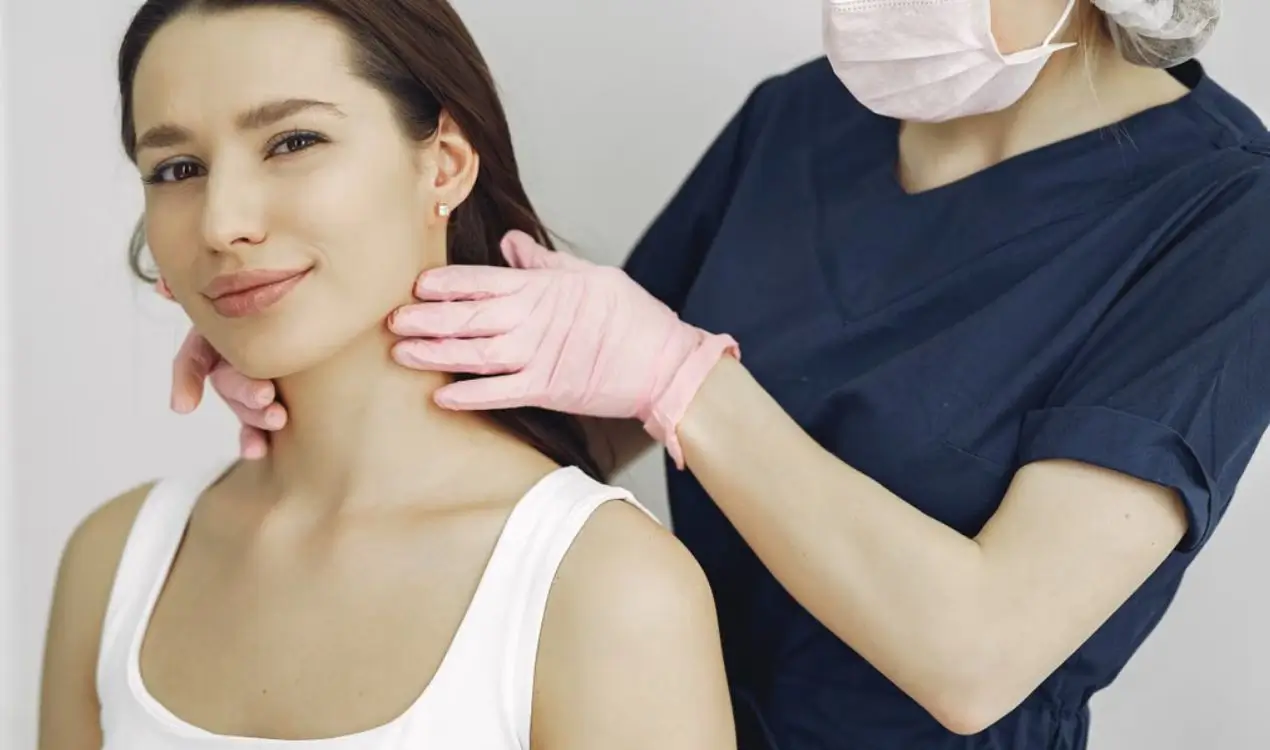
A distinct category called secondary hyperhidrosis does exist — excessive sweating triggered by an underlying medical condition or medication (NIH Research, 2025). These are the three most clinically significant causes, and each presents with additional symptoms that distinguish them from isolated focal sweating.
Thyroid Disorders (Hyperthyroidism)
An overactive thyroid accelerates metabolism and body heat production throughout the body. In Graves’ disease patients — the most common cause of hyperthyroidism — heat intolerance occurred in 76.6% and excessive sweating in 74.5% (NIH Research, 2025). Thyroid-related sweating is generalized and accompanies weight loss, rapid heartbeat, tremor, and anxiety. It doesn’t present as isolated underarm or palmar sweating.
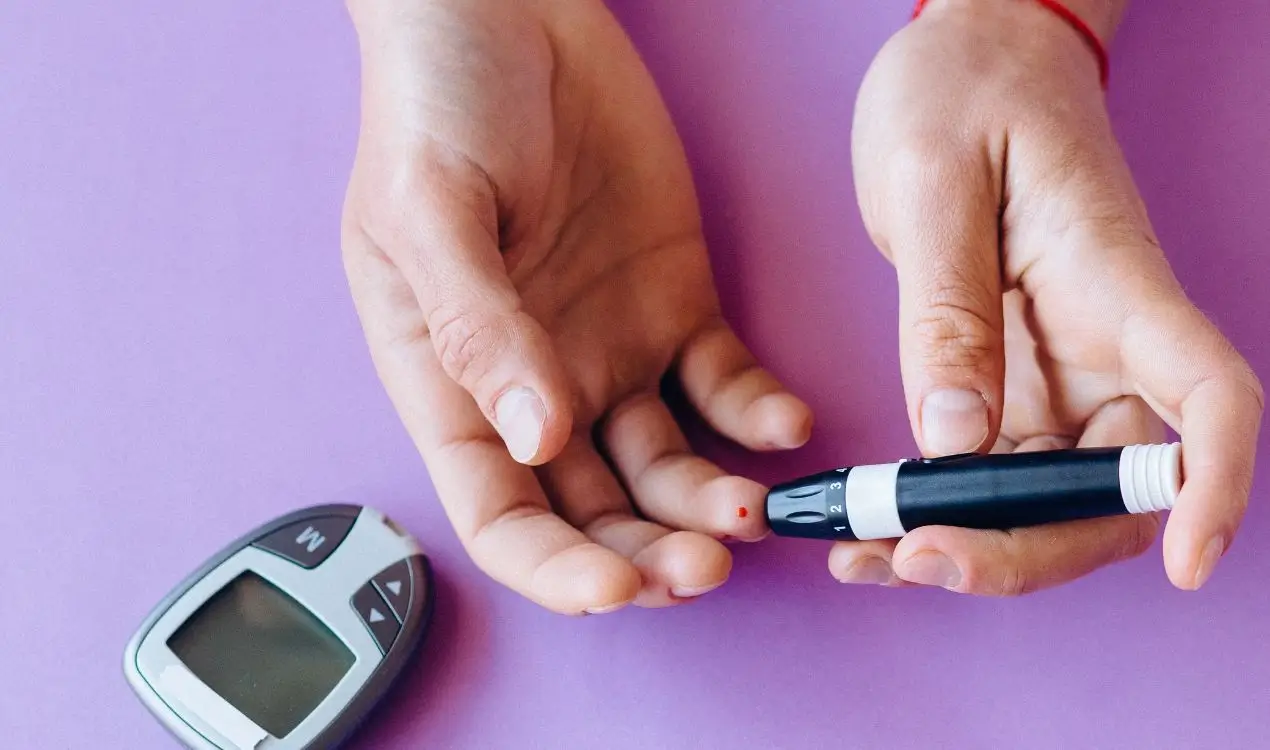
Diabetes and Autonomic Neuropathy
Prolonged elevated blood glucose can damage autonomic nerves regulating sweat gland activity. One result is gustatory sweating — profuse sweating triggered by eating — affecting 10% of people with Type 1 diabetes and 13% of those with Type 2, roughly twice the rate in controls (NIH Research, 2021). Diabetic sweating is typically asymmetric — excessive in the upper body while reduced or absent in the feet.
Infections and Night Sweats
Conditions like tuberculosis, HIV, and certain lymphomas are associated with drenching night sweats. However, a 7.5-year primary care cohort study found most patients who report persistent night sweats don’t have a serious underlying disorder (American Family Physician, 2020). Concern rises when night sweats accompany unexplained fever, significant unintended weight loss, or swollen lymph nodes.
Sudden Cold Sweats: A Cardiac Warning Sign
The American Heart Association (2024) explicitly lists cold sweats — diaphoresis — as a heart attack warning sign alongside chest discomfort, nausea, and lightheadedness. Sudden unexplained sweating without heat or exertion, especially with any of these accompanying symptoms, warrants calling 911 immediately.

What Is Primary Hyperhidrosis — and Is It a Health Concern?
Primary hyperhidrosis is excessive sweating with no medical explanation. It’s classified as idiopathic — its cause is unknown — and explicitly not caused by or associated with any underlying illness (StatPearls, NCBI, 2024). It affects 4.8% of the U.S. population, approximately 15.3 million people, with prevalence peaking at 8.8% among adults aged 18–39 (Archives of Dermatological Research, 2016).
It’s not a sign of being out of shape, unhealthy, or unclean. What it does cause is significant disruption to daily life. Among patients surveyed by the International Hyperhidrosis Society: 81% reported difficulty meeting new people, 71% experienced reduced self-confidence, and 49% described unhappiness or depression. A 2025 review found nearly half of patients report poor or very poor quality of life, and workers with palmar hyperhidrosis experience a mean 7.24% productivity loss (NIH Research, 2025).
In clinic, we regularly see people who’ve spent years assuming their sweating was a personal failing — something to be ashamed of, hidden quietly, or managed indefinitely. Primary hyperhidrosis has a clear neurological mechanism: eccrine glands receive excessive stimulation from the sympathetic nervous system, independent of actual thermoregulatory need. It is a medical condition. It has a treatment. It reflects nothing about fitness, cleanliness, or health.
One clinical hallmark distinguishes primary hyperhidrosis from medically-caused sweating: it stops completely during sleep. If your underarm sweating disappears at night but returns during the day, that’s primary hyperhidrosis. If night sweats are part of the pattern, a medical evaluation is warranted. For hormonal sweating — including perimenopausal night sweats — the mechanism is entirely different, explored in Can Estrogen Make You Sweat?
According to NIH Research (2025), the current clinical review of primary hyperhidrosis confirms the condition is “idiopathic or essential” — excessive sweating beyond thermoregulatory needs with no known cause. It carries no health risk. It responds to treatment.
What Are Your Treatment Options?
For secondary hyperhidrosis, treating the underlying condition — thyroid medication, diabetes management, addressing infection — typically resolves the sweating.
For primary hyperhidrosis, treatment targets the sweat glands directly:
- Clinical-strength antiperspirants Up to 20% aluminum chloride; first-line OTC option for mild-to-moderate focal sweating; applied at bedtime to completely dry skin.
- Botox injections Temporarily blocks nerve signals to sweat glands; effective for underarms, palms, and feet; results last 4–17 months and require ongoing treatment.
- miraDry FDA-cleared microwave energy device that permanently eliminates underarm sweat glands in a single in-office visit; clinical data shows 82% average sweat reduction at 18 months, 99% of patients moved from severe to non-severe classification, and 90% patient satisfaction at 12 months (Dermatologic Surgery, 2012).
miraDry is the only permanent option for axillary hyperhidrosis. Eliminated sweat glands don’t regenerate, and neither does the sweating. At QD Skinnovations in Carson, CA, we offer miraDry evaluations for patients whose underarm sweating hasn’t responded to conservative approaches — or who prefer a lasting solution over ongoing management. Learn more about miraDry at QD Skinnovations.
Heavy underarm sweating that persists despite antiperspirants may be primary hyperhidrosis — a medical condition with a permanent solution.
At QD Skinnovations in Carson, CA, miraDry eliminates underarm sweat glands in a single visit. Average 82% sweat reduction. 90% patient satisfaction at 12 months.
Book a Hyperhidrosis Evaluation →Frequently Asked Questions
Is sweating a lot a sign that you’re unhealthy?
Usually not. The average person produces 0.5 liters of sweat per day at rest; trained athletes can exceed 3.7 liters per hour during intense exertion — both are completely healthy (NIH Research, 2013). Primary hyperhidrosis, the most common cause of disproportionate sweating, is explicitly not associated with any medical illness.
How much sweating is too much?
Sweat volume alone doesn’t define what’s excessive — the pattern matters more. Sweating disproportionate to heat or effort, confined to specific areas (underarms, palms, feet), and absent during sleep describes primary hyperhidrosis, affecting approximately 4.8% of Americans (Archives of Dermatological Research, 2016).
Can thyroid problems cause excessive sweating?
Yes. Hyperthyroidism accelerates metabolism and heat production. Among Graves’ disease patients, 74.5% experience excessive sweating and 76.6% report heat intolerance (NIH Research, 2025). Thyroid-related sweating is generalized and accompanies weight loss, rapid heartbeat, and tremor — not isolated focal sweating in specific body areas.
Is primary hyperhidrosis dangerous?
No. Primary hyperhidrosis is classified as idiopathic — it has no underlying medical cause and carries no health risk (StatPearls, NCBI, 2024). Its burden is quality of life: 81% of patients report difficulty meeting new people, and nearly half describe poor or very poor daily quality of life (NIH Research, 2025).
What is the most effective long-term treatment for underarm sweating?
miraDry is the only FDA-cleared permanent treatment for axillary hyperhidrosis. Clinical data shows an average 82% sweat reduction at 18 months, with 99% of patients moving from severe to non-severe classification and 90% patient satisfaction at 12 months (Dermatologic Surgery, 2012). Learn more about miraDry at QD Skinnovations.
The Bottom Line
Heavy sweating is rarely a medical warning sign. For most people — especially those who are physically active — it’s the body’s thermoregulation working as designed. The conditions that do cause abnormal sweating (thyroid disease, diabetes, certain infections) all present with additional distinguishing symptoms that separate them from isolated focal sweating.
If your sweating is focal, bilateral, worsens under stress or activity, and stops completely during sleep, primary hyperhidrosis is the most likely explanation. It’s a medical condition — not a reflection of health — and it responds well to treatment. When you’re ready to explore permanent options, learn more about miraDry at QD Skinnovations.