


Heat-related deaths in the U.S. reached 2,325 in 2023 — the highest number on record (NIH Research, 2024). Not everyone struggling in summer heat is simply unprepared for the weather. Some people's internal thermostats have genuinely stopped working the way they used to.
If you've noticed your heat tolerance declining — summer feels harder than it used to, you overheat faster, you sweat more intensely, or heat now leaves you dizzy or exhausted — there's usually a specific reason. Six distinct causes account for most adult-onset heat intolerance, and several are directly treatable.
What Does "Heat Intolerance" Actually Mean?
Heat intolerance is the inability to regulate internal body temperature efficiently in warm environments — producing symptoms from excessive sweating and flushing to dizziness and fatigue. It's a symptom, not a standalone diagnosis. Heat intolerance in 2023 contributed to 2,325 heat-related deaths in the U.S. and over 119,000 emergency department visits (NIH Research, 2024) — making understanding its root cause a genuine health priority.
The key word is sudden. If summer always felt hard, that's baseline tolerance. If summer has gotten meaningfully harder in the last year or two, something has changed — and the six causes below cover most of what that change could be. Not sure whether your summer sweating is normal or something more? See our guide: Is It Normal to Sweat So Much in Summer?
The 6 Real Causes of Heat Intolerance in Adults
These causes aren't mutually exclusive. Many people experience two or three simultaneously — particularly older adults managing multiple medications, hormonal changes, and reduced fitness at once.
Cause 1: Perimenopause and Estrogen Fluctuations
For women in their 40s and 50s, perimenopause is the most common driver of sudden heat intolerance. Up to 80% of women experience vasomotor symptoms — hot flashes and night sweats — during the menopause transition (NIH Research, 2018). The median duration of frequent hot flashes is 7.4 years, and some women experience them for up to 14 years (SWAN Study, 2015). Perimenopause typically begins at a median age of 47 (NIH Research, 2018).
How it creates heat intolerance: declining estrogen destabilizes the hypothalamic thermostat — the brain region that regulates body temperature. Small fluctuations in core temperature trigger disproportionately large vasodilatory and sweating responses, creating the sudden flush-and-sweat cycle characteristic of hot flashes.
What helps: hormone therapy remains the most effective treatment for vasomotor symptoms; non-hormonal options include certain SSRIs and gabapentin. Avoiding hot drinks, alcohol, and spicy food reduces trigger frequency.
Most common cause in women 40–55; directly treatable
Cause 2: Hyperthyroidism and Thyroid Dysfunction
The thyroid gland controls your metabolic rate. When it's overactive — as in hyperthyroidism — your body produces more heat than it can efficiently dispel. Hyperthyroidism affects approximately 1.2% of U.S. adults (0.5% overt, 0.7% subclinical) (NIH Research, 2020), and heat intolerance is one of its most consistent presenting symptoms.
The mechanism is direct: hyperthyroidism elevates resting energy expenditure approximately 21% above the normal euthyroid state (42 ± 6.7 kcal/kg/24h vs. 33 ± 4.4 kcal/kg/24h) (NIH Research, 2022). More metabolic heat means the body is constantly trying to cool a higher thermal load — making even moderate temperatures overwhelming.
Other symptoms to watch for: unexplained weight loss, rapid heart rate, palpitations, tremor, anxiety, or fatigue. If heat intolerance appeared alongside any of these, a thyroid panel (TSH, free T3, free T4) is the right first test.
Most treatable cause on this list — thyroid treatment typically resolves heat intoleranceCause 3: Medications That Impair Heat Regulation
Several common drug classes interfere with the body's ability to dissipate heat — by suppressing sweating, impairing skin vasodilation, or reducing fluid volume. A 2024 systematic review and meta-analysis in eClinicalMedicine (The Lancet) found that strong anticholinergic drugs raise core body temperature by +0.42°C during heat stress and are associated with double the risk of heat-related morbidity and mortality (The Lancet, 2024).
Most common heat-impairing medication classes:
- Anticholinergics (bladder meds like oxybutynin, older antihistamines like diphenhydramine, some antidepressants) — block acetylcholine-driven sweating
- Beta-blockers — impair skin vasodilation, the primary cooling mechanism in dry heat
- Diuretics — reduce circulating fluid volume, impairing sustained sweat production
- SSRIs / SNRIs — can disrupt hypothalamic thermoregulation in some patients
- Stimulants (ADHD medications, decongestants) — raise metabolic rate and core temperature
Never adjust or stop medications based on this article. If you suspect a medication is worsening your heat tolerance, discuss it specifically with your prescribing provider. Alternatives are often available — and the risk of stopping abruptly can be greater than the heat intolerance itself.

Cause 4: Deconditioning and Lost Physical Fitness
Physically fit people sweat earlier, more efficiently, and with greater volume per session — meaning they cool themselves faster in heat. That adaptation works both ways. Deconditioning reduces thermoregulatory efficiency, and heat that once felt manageable starts feeling overwhelming.
Approximately 26% of U.S. adults are physically inactive (CDC, 2024). Research confirms that aerobic exercise training improves sweat onset threshold, sweat gland output, and effective cooling in previously sedentary adults (NIH Research, 2021).
This is the most reversible cause on this list. Patients who begin moderate aerobic activity — 30 minutes, five days a week — typically notice improved heat tolerance within 6–10 weeks as their sweat glands adapt. The improvement isn't subtle: the difference between a fit and a sedentary person's sweating response in heat is physiologically significant and measurable.
Cause 5: Age-Related Thermoregulatory Decline — and Conditions That Accelerate It
Thermoregulation naturally becomes less efficient with age. Adults aged 50 and over store 1.3 to 1.8 times more body heat than those aged 19–30 when exposed to the same thermal load — and measurable reductions in sweating capacity have been observed as early as age 40 (NIH Research, 2020).
Two conditions dramatically accelerate this process:
- Multiple sclerosis (MS): 58% of MS patients report heat sensitivity — a phenomenon called Uhthoff's phenomenon, where elevated body temperature temporarily worsens neurological symptoms (NIH Research, 2011)
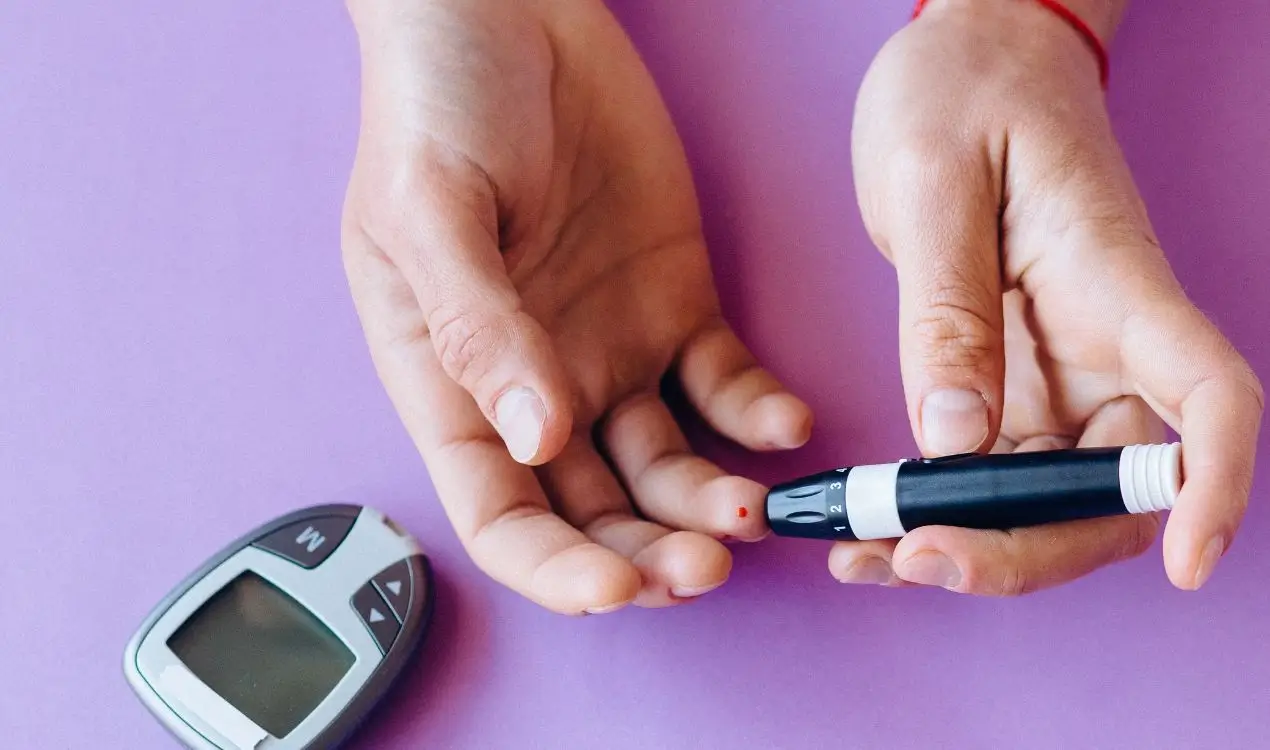
- Diabetes (autonomic neuropathy): Cardiovascular autonomic neuropathy affects up to 60% of Type 2 diabetes patients over time — disrupting the nerve signals that activate sweat glands, paradoxically leading to anhidrosis (inability to sweat) and dangerous heat buildup (StatPearls, NCBI)

Cause 6: Obesity and Excess Thermal Load
More body mass generates more metabolic heat. Adipose tissue insulates against heat dissipation. And obesity reduces cardiovascular efficiency — meaning the body works harder even at rest, producing heat that must be offloaded through sweating and skin vasodilation.
Obesity (BMI ≥30) carries an adjusted incidence rate ratio of 2.66 for heat-related illness (NIH Research, 2021). The risk compounds with deconditioning: combined low physical fitness and obesity produces a 5- to 8-fold increase in heat illness risk odds compared to fit, healthy-weight adults.
When Heat Sensitivity Is Really Underarm Hyperhidrosis
Some adults who feel "heat intolerant" are experiencing a different pattern: their underarms soak through clothing regardless of temperature, activity level, or emotional state — even in a cool room. That's not heat intolerance in the traditional sense. That's primary hyperhidrosis — a condition where eccrine sweat glands fire excessively due to overactive sympathetic nerve signaling, not because the body is thermally overloaded.
At QD Skinnovations, we regularly see patients who've spent years avoiding warm environments and dark-colored clothing — and attributed all of it to "just running hot." For many of them, the real driver is underarm hyperhidrosis, not generalized heat intolerance. The distinction matters, because these are treated very differently. Hyperhidrosis doesn't respond to medication review or thyroid treatment — it responds to gland-level intervention.
For underarm-specific excessive sweating, miraDry is the only FDA-cleared permanent treatment — using microwave energy to eliminate underarm sweat glands, which don't regenerate. If your heat sensitivity is primarily expressed as soaking underarms regardless of temperature, a miraDry consultation is the most direct next step.
Is Underarm Sweating Your Main Concern?
If you sweat through clothing regardless of temperature — in meetings, at rest, or in air conditioning — that's primary hyperhidrosis, not heat intolerance. At QD Skinnovations in Carson, CA, miraDry permanently eliminates underarm sweat glands in a single visit.
Book a Consultation →When Should You See a Doctor?
New or worsening heat intolerance in an adult always warrants evaluation — particularly when accompanied by weight loss, heart palpitations, tremor, or sweating disproportionate to ambient temperature. These are red flags for hyperthyroidism and other conditions requiring medical treatment, not lifestyle adjustments.
Tests worth requesting: thyroid panel (TSH, free T3, free T4), fasting blood glucose, a thorough medication review with your prescriber, and if other causes are ruled out, a referral to a dermatologist or specialist for hyperhidrosis evaluation. Our guide to medical causes of excessive sweating covers what each test looks for and what results mean.
Frequently Asked Questions
The Bottom Line
Heat intolerance is a symptom with identifiable causes — not an inevitable consequence of aging or warm weather. Perimenopause and hyperthyroidism are the most common medical drivers. A medication review is the first step for anyone who's recently started new prescriptions. And reconditioning through regular aerobic exercise is the most accessible, reversible intervention for adults whose fitness has declined.
If your heat sensitivity is specifically expressed as excessive underarm sweating regardless of temperature or activity, primary hyperhidrosis may be the driver — and that treatment ladder is different from what addresses hormones or thyroid. Understanding your specific pattern is the first step to the right answer. Explore permanent underarm sweat reduction with miraDry if underarm sweat is your primary concern.




One Response