


The human body can produce up to 1.5 liters of sweat per hour on a scorching summer day — and that's not a malfunction (NIH/NCBI, 1993). Sweating is your body's built-in cooling system, and summer is when it works hardest. So if you're sweating more in July than January, that's entirely expected biology.
But there's a clinical line between a healthy heat response and a medical condition called hyperhidrosis. If you're soaking through your third shirt before noon, skipping handshakes, or choosing clothes based on sweat visibility — the answer shifts. Here's exactly how to tell which side of that line you're on, and what works when summer sweat becomes a daily burden.
Key Takeaways
- The body produces up to 1.5L of sweat/hr in summer heat — normal thermoregulation (NIH/NCBI, 1993)
- Hyperhidrosis affects 4.8% of Americans — sweating disrupting daily life for 6+ months (IHHS, 2023)
- HDSS score of 3 or 4 is the clinical threshold for seeking medical treatment
- miraDry permanently destroys underarm sweat glands — 90.3% of patients achieved HDSS 1–2 scores after one session (PMC3489040, 2012)
How Much Sweating Is Normal in Summer?
The body can produce up to 1.5 liters of sweat per hour during intense heat or exercise (NIH/NCBI, 1993), spread across roughly 2 to 4 million sweat glands covering nearly every surface of skin (PMC9131949, 2022). The hypothalamus — your brain's internal thermostat — triggers sweating when core body temperature rises above its normal set point of 37°C (98.6°F). In summer, three things push that system into overdrive.
Heat load: When outdoor temps top 85°F, the body pre-sweats to stay ahead of the heat, even before you start moving.
Humidity: Humid air slows sweat evaporation, so your glands produce more trying to cool the same amount of skin.
Physical activity: Exercise generates internal heat that roughly doubles the thermoregulation demand.
Dripping on a humid August afternoon, soaking your shirt during a run, or noticing damp underarms after a long commute? Those are all signs the system is doing its job.
the full reasons your body sweats more in summer
What Is Hyperhidrosis — and How Do You Know If You Have It?
Hyperhidrosis affects roughly 4.8% of the US population — about 15.3 million people — and is clinically defined as sweating that interferes with daily activities for at least 6 months with no identifiable cause (International Hyperhidrosis Society, 2023). The question isn't how drenched you get in a sauna. It's whether sweat controls your decisions when there's no environmental reason it should.
So how do dermatologists draw that line? With the Hyperhidrosis Disease Severity Scale (HDSS), a validated 4-point rating tool:
Source: International Hyperhidrosis Society (IHHS) / Journal of the American Academy of Dermatology, 2023
Primary hyperhidrosis — the most common type — has no underlying medical cause. It typically begins during childhood or adolescence, often runs in families, and targets specific bilateral zones: underarms, palms, feet, or face. Summer heat worsens it because ambient temperature stacks on top of an already overactive sweat response.
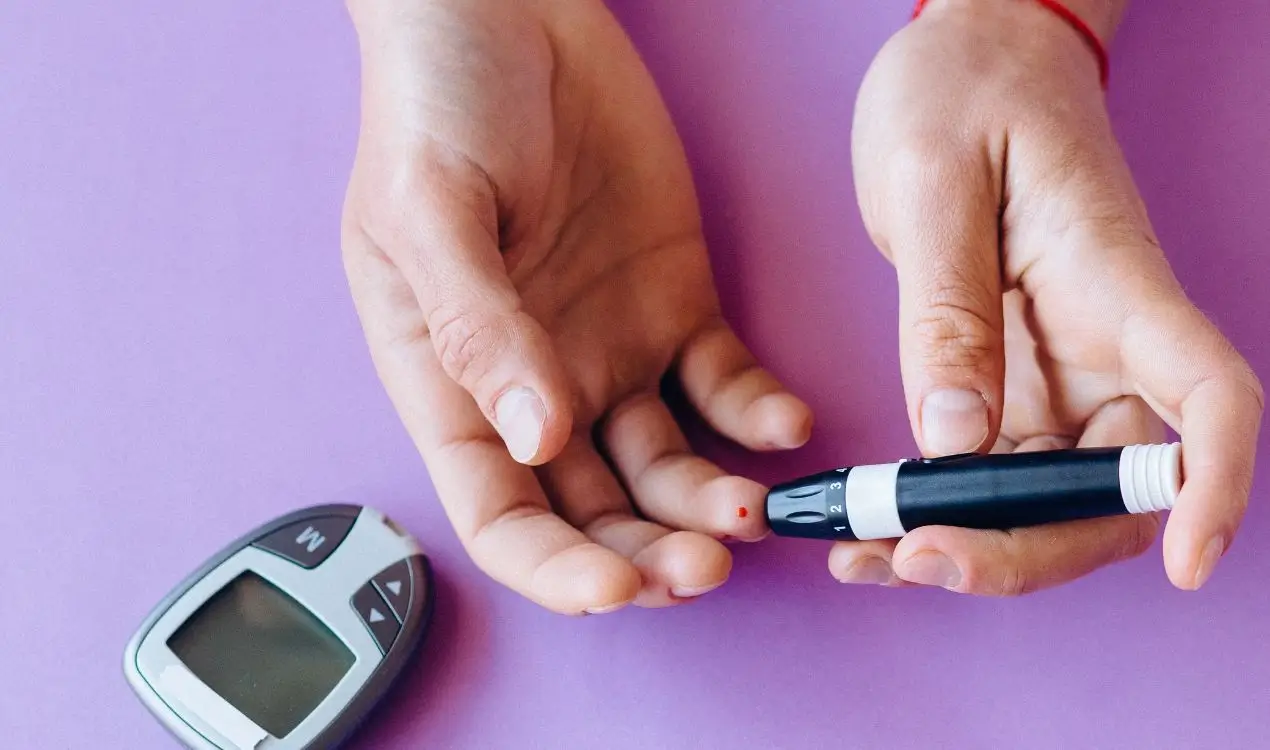
Secondary hyperhidrosis has a root cause — thyroid disorders, diabetes, certain medications, or hormonal shifts like perimenopause. This type tends to produce whole-body sweating and frequently appears at night.
5 Signs Your Summer Sweating Isn't Normal
Around 75% of people with hyperhidrosis report it negatively impacts their social life and sense of well-being, and 69% experience ongoing emotional ramifications from the condition (IHHS, 2023). Yet a national survey of 1,985 patients found that 48.9% waited 10 or more years after symptoms started before seeking care — and 85% waited at least 3 years (PubMed 29601615, 2018). Do any of these patterns sound familiar?
1. You sweat without a trigger. Normal sweating needs a cause — heat, exercise, anxiety, spicy food. Sweating through your shirt in an air-conditioned room at rest is a clinical red flag.
2. The pattern is bilateral and predictable. Hyperhidrosis almost always affects both sides of the body symmetrically — both underarms, both palms, both feet. The location stays consistent regardless of temperature or season.
3. Multiple shirts a day isn't enough. Soaking through fabric repeatedly — even with clinical-strength antiperspirant — signals sweat output beyond the normal range.
4. You're changing or canceling plans because of it. Avoiding handshakes, wearing only dark or patterned fabric, skipping the gym because of the locker room, or declining social invitations — these are HDSS 3–4 behaviors.
5. Symptoms started before age 25. Primary hyperhidrosis typically begins in adolescence or early adulthood. If you've struggled since your teens, it won't resolve on its own.

When Should You See a Doctor About Sweating?
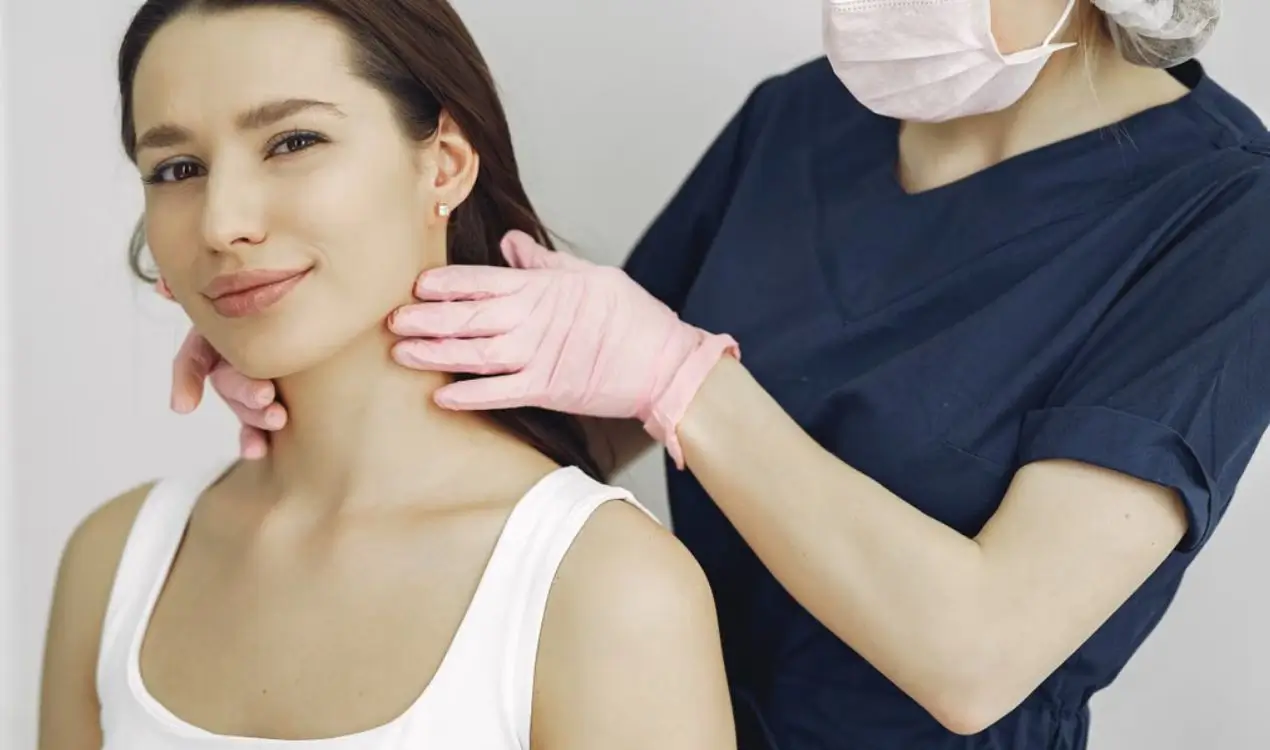
The American Academy of Dermatology advises seeing a board-certified dermatologist if you think you may have hyperhidrosis (AAD, 2024). An HDSS score of 3 or 4 is the standard clinical threshold where medical intervention is typically recommended.
Some sweating patterns require evaluation by a primary care physician before any dermatology visit. These red flags suggest secondary hyperhidrosis with an underlying medical cause:
- Night sweats paired with unexplained weight loss or persistent low-grade fever
- Sweating that started suddenly in adulthood after years of normal perspiration
- Whole-body perspiration rather than isolated bilateral zones
- Sweating that accompanies palpitations, tremors, or rapid-onset anxiety
If your sweating is localized, bilateral, trigger-free, and has been present since your teens or twenties, primary hyperhidrosis is the far more likely explanation — and that's where a specialized provider can help directly.
What Actually Stops Excessive Underarm Sweating?
In a clinical study of 31 patients, 90.3% achieved HDSS scores of 1 or 2 at 12-month follow-up — meaning sweating became tolerable or unnoticeable — after completing the miraDry treatment protocol (PMC3489040, 2012). Those results are permanent because destroyed sweat glands don't regenerate. For patients scoring 3 or 4 on the HDSS, that outcome is genuinely life-changing. Here's how the main treatment options compare:
| Treatment | Sweat Reduction | Duration | Best For |
|---|---|---|---|
| Clinical-strength antiperspirant | 20–25% | Daily use | Mild cases (HDSS 1–2) |
| Prescription antiperspirant (Drysol) | 30–40% | 2–3×/week | Moderate cases |
| Botox injections | 82–87% | 4–14 months | Moderate–severe |
| miraDry | ~82% avg / 90.3% HDSS responders | Permanent | Severe, underarm-specific |
Botox is effective — reducing underarm sweat 82–87% per session (IHHS, citing NEJM 2001 RCT) — but requires repeat treatments every 4 to 14 months to maintain results. miraDry uses microwave energy to permanently destroy eccrine and apocrine sweat glands in the underarm zone, eliminating the source rather than temporarily suppressing it.

QD Skinnovations in Carson, CA is an official miraDry provider serving the South Bay — including Long Beach, Torrance, Compton, Gardena, and Wilmington.
Ready to Stop Managing and Start Fixing?
Book your complimentary hyperhidrosis evaluation at QD Skinnovations. We'll walk you through your HDSS score, discuss your full range of treatment options, and answer every question — no pressure, no obligation.
Schedule Your Consultation →QD Skinnovations · Carson, CA · Official miraDry Provider
Frequently Asked Questions
The Bottom Line
Summer sweating is normal — even a lot of it. Your body has 2 to 4 million sweat glands working in concert to keep you from overheating, and they ramp up hard when temperatures rise. Dripping through a July afternoon in Carson doesn't make you a candidate for treatment.
But soaking through shirts in a cool office, canceling plans to avoid visible sweat, or managing this since your teens — that's hyperhidrosis. It's a recognized medical condition, not a hygiene problem or a character flaw. Scoring yourself on the HDSS takes 30 seconds. A score of 3 or 4 means it's time to have a real conversation with someone who can help.
why your body sweats more in summer


One Response