
What is my body lacking if I sweat a lot? It’s one of the most common questions people ask about excessive sweating — and the honest answer is: usually nothing. Most people who sweat heavily aren’t missing a vitamin or mineral. They either have primary hyperhidrosis (overactive sweat glands with no underlying disease) or secondary hyperhidrosis — sweating driven by a medical condition such as a thyroid disorder, hormonal shift, medication, or infection.
This article covers secondary hyperhidrosis specifically: the real medical causes behind excessive sweating, what each one looks like, and when your sweating warrants a doctor visit.
Key Takeaways
- Among 420 patients with recurrent sweating, malignancies accounted for 28.3% and endocrine/neurological conditions for 27.6% of secondary hyperhidrosis cases (Annals of Medicine, 2022)
- SSRI users have three times the odds of moderate-to-severe night sweats vs. non-users (OR 3.01; Drugs: Real World Outcomes, 2015)
- 75–85% of women experience hot flashes — which include sweating — during the menopausal transition (Climacteric, 2015)
- Drenching night sweats with unexplained fever and weight loss form the B-symptom triad that warrants lymphoma workup (J Clin Oncol, 2014)
- Most focal underarm sweating is primary hyperhidrosis — a neurological condition, not a nutritional gap
Primary vs. Secondary Hyperhidrosis: The Distinction That Changes Everything
Before looking at medical causes, it helps to understand what type of sweating you actually have. NIH StatPearls defines two distinct categories, and which one applies determines both the right workup and the right treatment.
Primary hyperhidrosis has no underlying disease. The sympathetic nervous system overactivates eccrine sweat glands beyond what thermoregulation requires. It typically affects focal areas — underarms, palms, feet, and face — symmetrically, starts in the teen years, occurs during waking hours, and stops during sleep. About 3% of the U.S. population has it. No supplement or dietary change corrects primary hyperhidrosis because it isn’t caused by any deficiency.
Secondary hyperhidrosis is sweating caused by another medical condition, medication, or substance. It tends to be generalized (affecting large body areas rather than focal zones), more likely to occur at night, and accompanied by other symptoms from the underlying cause.
If your sweating is underarm-specific, daily, and has been present for years without any accompanying illness — that pattern is primary hyperhidrosis. If it’s new, generalized, nocturnal, or travels with other symptoms, the following causes deserve investigation.
Thyroid Disorders: One of the Most Common Hidden Causes

An overactive thyroid is one of the most established medical causes of excessive sweating. Hyperthyroidism accelerates metabolism across every body system — and one direct result is increased heat generation, which forces the body to sweat more to cool down.
Research published in JAMA (Lee SY, Pearce EN, 2023) confirms that excessive sweating is a recognized hallmark symptom of thyrotoxicosis, appearing alongside heat intolerance, palpitations, unintentional weight loss, and anxiety. NIH StatPearls explicitly lists hyperthyroidism among the documented causes of secondary hyperhidrosis.
A common point of confusion: it’s the overactive thyroid, not the underactive one, that causes sweating. Hypothyroidism tends to produce the opposite — reduced sweating and cold intolerance.
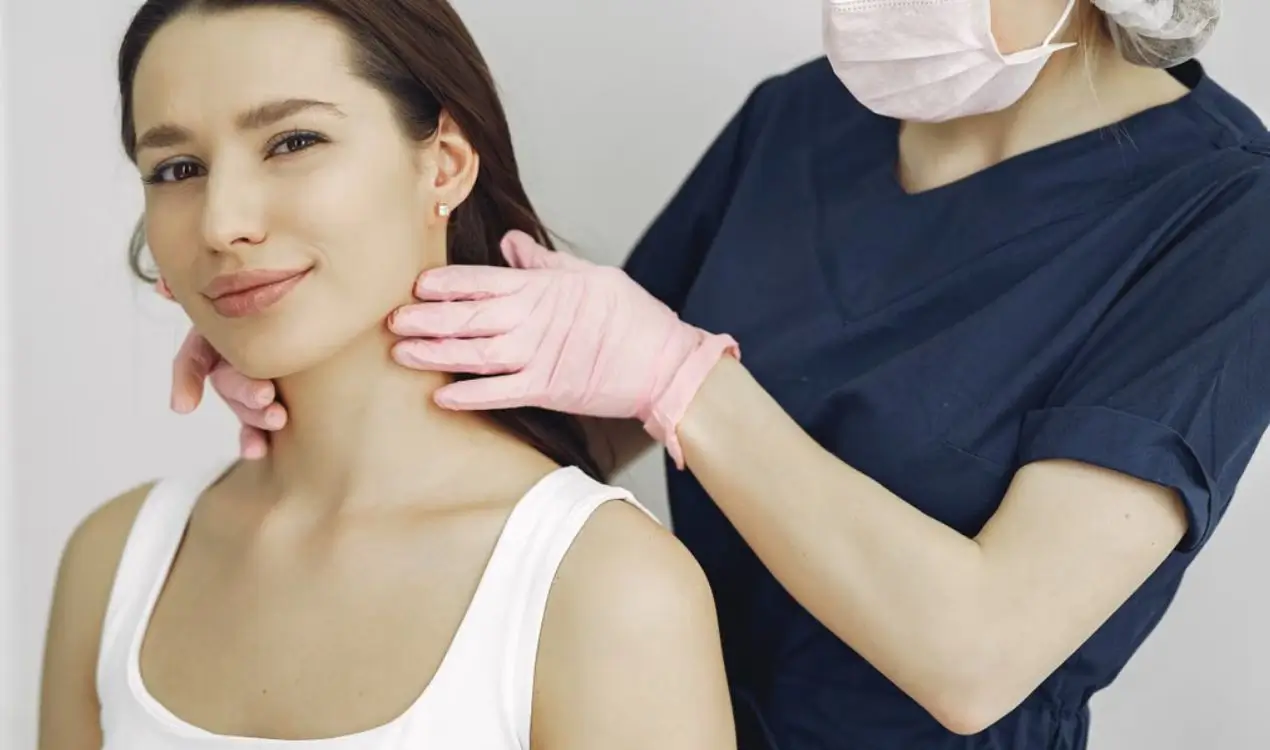
If sweating accompanies unexplained weight loss despite a good appetite, heart palpitations, persistent difficulty sleeping, or chronic heat intolerance, a TSH blood test can rule hyperthyroidism in or out quickly. It’s a simple, inexpensive first step worth requesting from your primary care provider.
Hormonal Changes and the Menopause Connection
Hormonal fluctuations are among the most common triggers of secondary excessive sweating — particularly during perimenopause and menopause. Research in Climacteric (Mitchell ES, Woods NF, 2015) found that 75–85% of women experience hot flashes during the menopausal transition and early postmenopause.
Hot flashes involve a sudden wave of intense warmth followed by visible sweating, flushing, and often a cold chill. The physiological driver is estrogen decline, which disrupts the hypothalamus’s ability to accurately regulate body temperature. When the hypothalamus misreads normal temperature as overheating, it triggers the sweating response unnecessarily.
This sweating isn’t always limited to formal menopause. A study by Freeman EW et al. in the Journal of Women’s Health (2001) found that 31% of women at a mean age of 41 reported hot flashes before the formal menopausal transition had even begun.
If sweating episodes arrive in waves — sudden, intense, lasting two to five minutes, often at night — and you’re in your late 30s or older, hormonal changes are a strong candidate. For a detailed breakdown of how estrogen directly affects sweat gland activity, see our guide on whether estrogen makes you sweat.
Medications That Cause Excessive Sweating

When people ask “what is my body lacking if I sweat a lot,” one rarely considered answer is: it might not be a deficiency at all — it could be something you’re actively taking. Antidepressants are among the most documented medication-related causes of excessive sweating.
A study in Drugs: Real World Outcomes (Mold JW, Holtzclaw BJ, 2015) found that SSRI users had three times the odds of experiencing moderate-to-severe night sweats compared to non-users (OR 3.01; 95% CI 1.26–7.19). Across published case literature, antidepressant-induced excessive sweating affects an estimated 4–22% of patients.
Other medications commonly linked to diaphoresis include:
- Opioids and opioid analgesics — sweating is especially pronounced during withdrawal phases
- Diabetes medications — insulin and sulfonylureas via hypoglycemia-driven adrenaline release
- Antihypertensives — particularly calcium channel blockers and some beta-blockers
- Hormonal therapies — tamoxifen, GnRH agonists, and some birth control formulations
- Antipsychotics — listed explicitly in NIH StatPearls as a secondary hyperhidrosis cause
If sweating significantly worsened around the time you started a new medication, that timing is clinically relevant. Bring it up with your prescriber — never stop any medication on your own, but the conversation is worth having.
Malignancy and endocrine causes together account for more than half of diagnosed secondary hyperhidrosis cases.
Infections and the Night Sweat Red Flag Triad
Night sweats are a hallmark presentation of several serious infections. TB, HIV, and infective endocarditis are the three most clinically significant. Research in the American Family Physician (2003) describes the typical presentation: TB produces a combination of cough, night sweats, low-grade fever, and weight loss; HIV-related night sweats often reflect opportunistic infection burden and worsen as immune function declines.
What transforms night sweats from a nuisance into a red flag is when they appear as part of a specific triad. The Lugano classification (Journal of Clinical Oncology, 2014) defines B-symptoms — a lymphoma staging criterion — as:
The B-Symptom Triad — Seek Medical Evaluation Promptly
- Drenching night sweats — soaking through bed clothing and sheets
- Unexplained fever above 38°C / 100.4°F
- Unexplained weight loss greater than 10% of body weight within 6 months
Night sweats alone are not diagnostic of lymphoma. But sweating consistently appearing alongside unexplained fever and weight loss is a specific enough pattern that investigation should not be delayed. Among 420 patients with confirmed secondary hyperhidrosis, malignancies — with non-Hodgkin lymphoma predominating — accounted for 28.3% of identified causes (Annals of Medicine, 2022).
Source: Mold JW, Holtzclaw BJ, Drugs: Real World Outcomes, 2015
Diabetes and Sweating: A Brief Note
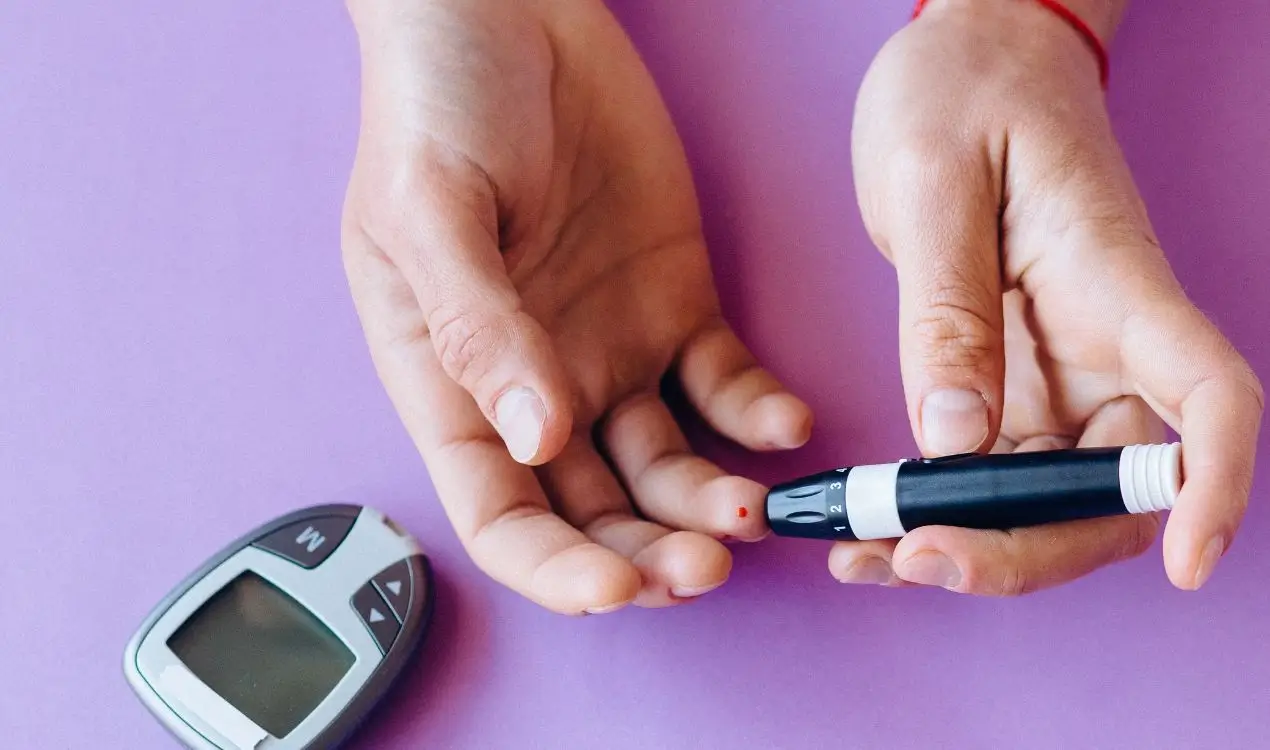
Diabetes produces sweating through two distinct mechanisms: hypoglycemia-triggered sweating (low blood sugar activates adrenaline, which activates eccrine glands) and autonomic neuropathy (nerve damage to sweat gland fibers disrupts normal perspiration control). NIH StatPearls explicitly includes diabetes in its list of secondary hyperhidrosis causes.
If you have type 2 diabetes and experience unpredictable sweating alongside shakiness, a racing heart, or confusion, hypoglycemia is a likely trigger and warrants prompt attention. For a detailed breakdown of both mechanisms — including gustatory sweating and nocturnal episodes — see our full guide on whether type 2 diabetes makes you sweat.
When to See a Doctor for Sweating

Most underarm sweating — daily, symmetric, present since adolescence, and absent at night — is primary hyperhidrosis and carries no medical risk. But certain patterns should prompt a doctor visit without delay.
See a Doctor Promptly If Sweating:
- Is new-onset night sweating that is soaking and can’t be explained by your sleep environment
- Appears alongside unexplained fever, weight loss, or persistent cough
- Is generalized (whole body) and started recently, rather than being a lifelong pattern
- Accompanies heart palpitations and unexplained weight loss together
- Began or significantly worsened after starting a new medication
Primary hyperhidrosis that has been stable for years without any systemic symptoms — especially if it’s underarm-, palm-, or foot-specific — is unlikely to reflect any underlying disease. What it does reflect is an overactive sympathetic nervous system, which is exactly what miraDry is designed to address permanently.
Ready to Stop Sweating Through Every Shirt?
If you’ve investigated thyroid disease, hormonal changes, and medication effects — and you’re still soaking through clothing daily — the cause is almost certainly primary hyperhidrosis. At QD Skinnovations in Carson, CA, we offer miraDry, an FDA-cleared treatment that permanently eliminates underarm sweat glands. Most patients see an 80–90% reduction after a single one-hour session.
Book a Complimentary Hyperhidrosis EvaluationFrequently Asked Questions
What medical condition makes you sweat excessively?
Several conditions cause secondary hyperhidrosis: hyperthyroidism, menopause, diabetes, lymphoma, and infections such as tuberculosis and HIV. A study in the Annals of Medicine (2022) found that among 420 patients with recurrent sweating, malignancies accounted for 28.3% of cases and endocrine/neurological conditions for 27.6%.
Can medications cause excessive sweating?
Yes. Antidepressants — SSRIs in particular — are a well-documented cause. A study in Drugs: Real World Outcomes (Mold & Holtzclaw, 2015) found SSRI users had three times the odds of moderate-to-severe night sweats compared to non-users (OR 3.01). Opioids, diabetes medications, and some antihypertensives also list diaphoresis as a side effect.
When should I see a doctor about sweating?
See a doctor if sweating appears alongside unexplained fever, unintentional weight loss, or a persistent cough — this combination can signal lymphoma, TB, or HIV. Also seek evaluation if night sweats are new, soaking, and unexplained by your sleep environment, or if sweating is significantly disrupting your daily life.
Does hyperhidrosis mean something is wrong with my body?
Primary hyperhidrosis does not indicate a deficiency or disease — it’s a neurological condition where the sympathetic nervous system overactivates sweat glands. It affects approximately 3% of the U.S. population and is effectively treated with procedures like miraDry. Secondary hyperhidrosis, which does have an underlying medical cause, represents a minority of cases.