
What vitamin deficiency causes profuse sweating? Two nutrients — vitamin B12 and magnesium — have documented, peer-reviewed connections to abnormal sweating, and the answer is worth understanding carefully. Vitamin D plays a supporting role in sweat gland function. But here's what most articles leave out: the majority of people who sweat profusely during the day, especially under the arms, have primary hyperhidrosis — a neurological condition that no supplement corrects.
This article covers what the evidence actually shows for each nutrient, where the evidence is weak, and how to tell whether your sweating points to a deficiency or something else entirely.
Key Takeaways
- Vitamin B12 deficiency can cause drenching night sweats via autonomic neuropathy; B12 replacement resolves it (Scottish Medical Journal, 2014)
- Magnesium is measurably lower in hyperhidrosis patients than in healthy controls (International Journal of Dermatology, 2011)
- Vitamin D correlates with sweat gland nerve function in diabetic patients — but no trial links deficiency to profuse sweating in healthy adults
- Vitamin D toxicity causes hypercalcemia symptoms (nausea, weakness, confusion) — not sweating
- Focal daytime sweating without systemic symptoms is primary hyperhidrosis, not a nutritional gap
Vitamin B12 Deficiency: The Strongest Documented Link
Vitamin B12 deficiency is the nutrient most clearly connected to abnormal sweating — specifically, drenching night sweats.
The mechanism runs through the nervous system. B12 is essential for myelin sheath integrity, the protective coating around nerve fibers. When B12 falls low, myelin degrades and damages the autonomic nerve fibers that control sweat gland activation. Research published in Autonomic Neuroscience: Basic and Clinical (2002) demonstrated that B12 deficiency produces measurable autonomic dysfunction — disruption to both sympathetic and parasympathetic signaling — closely mirroring the damage seen in diabetic autonomic neuropathy.
The clinical consequences for sweat control are real. A case series in the Scottish Medical Journal (Rehman, 2014) documented three patients presenting with drenching night sweats as the primary symptom of B12 deficiency. All three saw dramatic resolution of sweating with B12 replacement therapy.
What B12-related sweating looks like: It's typically nocturnal, diffuse (whole-body rather than focal), and accompanies other B12 deficiency symptoms — unexplained fatigue, tingling or numbness in the hands and feet, brain fog, or pale skin. If you have isolated underarm sweating during the day without any of these symptoms, B12 deficiency is a less likely driver.
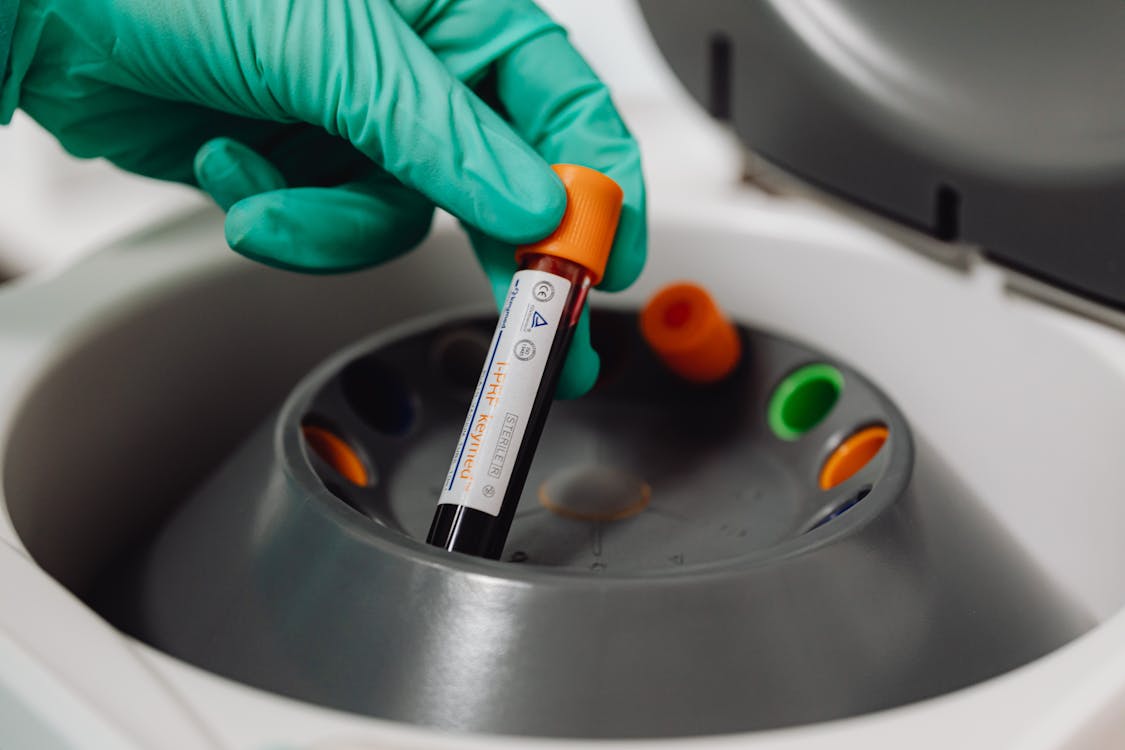
Blood testing is straightforward: serum B12 below 200 pg/mL is generally considered deficient. People most at risk include strict vegans, adults over 60 (who absorb B12 less efficiently), and anyone taking long-term metformin or proton pump inhibitors.
Vitamin D and Sweat Gland Function: Real, But Limited Evidence
Vitamin D receptors are expressed in eccrine sweat gland tissue, which is why researchers have investigated whether deficiency disrupts sweat regulation. The evidence exists — but with important caveats.
A study of 1,021 patients with type 2 diabetes published in the Journal of Endocrinology and Investigation (2022) found that lower serum vitamin D levels correlated with worse sudomotor function — a measure of sweat gland nerve output. Patients with more severe vitamin D deficiency showed greater autonomic impairment of their sweat glands.
The honest limitation: This study was conducted in diabetic patients, where both vitamin D deficiency and autonomic neuropathy are common and may share upstream causes. No randomized controlled trial has tested whether correcting vitamin D deficiency reduces sweating in otherwise-healthy adults. Vitamin D likely supports sweat gland nerve health, but a direct causal link from deficiency to profuse sweating in non-diabetic people is not yet established.
If your vitamin D is deficient, correcting it is worthwhile for bone, immune, and neurological health broadly — just don't expect it to be the primary fix for excessive sweating on its own.
Magnesium: The Most Directly Measured Connection

Of all the nutrients covered here, magnesium has the most direct measurement in hyperhidrosis patients. A controlled study in the International Journal of Dermatology (2011) found plasma magnesium significantly lower in patients with essential hyperhidrosis compared to healthy controls.
Two mechanisms help explain why:
- Sweat gland membrane excitability: Magnesium acts as a natural calcium channel blocker. Low extracellular magnesium may increase the excitability of sweat gland cell membranes, making them more reactive to sympathetic nerve signals.
- Stress hormone elevation: Magnesium deficiency raises cortisol and adrenaline output. Both hormones directly activate the sympathetic nervous system, which controls eccrine sweat glands throughout the body.
One nuance worth understanding: research on sweat composition (Temperature, Baker LB, 2019) notes that sweat-induced mineral losses are "of minimal risk" for deficiency in healthy adults. The most likely direction of causality is that low magnesium worsens existing sweating — not that heavy sweating causes clinically meaningful magnesium deficiency in otherwise-healthy people.
For a broader look at vitamins and minerals that intersect with heavy sweating, see our guide to what vitamin you might be lacking if you sweat a lot.
What About Too Much Vitamin D? The Physical Signs
Searches for "vitamin D too much physical signs" frequently land on sweating-related queries, so it's worth addressing directly: vitamin D toxicity does not cause profuse sweating.
Hypervitaminosis D causes hypercalcemia — elevated calcium in the blood. The documented symptom cluster is specific and well-established:
Source: NIH StatPearls, Vitamin D Toxicity. Sweating does not appear in any published symptom list for hypervitaminosis D.
If you're taking high-dose vitamin D supplements and experiencing profuse sweating, the two are almost certainly unrelated. The sweating warrants investigation for other causes. Vitamin D toxicity requires sustained doses typically above 10,000 IU daily for extended periods — standard supplementation of 1,000–4,000 IU daily is not associated with toxicity in most adults.
When It's Hyperhidrosis, Not a Deficiency

The most useful thing this article can do is help you tell the difference. Here's how deficiency-related sweating and primary hyperhidrosis actually present:
Deficiency-Related Sweating
- Nocturnal or unpredictable
- Diffuse — large body surface areas
- With fatigue, tingling, GI symptoms
- Recent onset or worsening
- Responds to correcting deficiency
Primary Hyperhidrosis
- Focal and symmetric (both underarms, both palms)
- Daytime, waking hours only
- No other systemic symptoms
- Often starts in teen years
- Does not stop during sleep
Primary hyperhidrosis affects approximately 2.8% of the U.S. population, according to NIH StatPearls, and is caused by overactive sympathetic nervous system signaling to eccrine sweat glands — not by any nutritional gap. No amount of B12 or magnesium will correct a condition that's neurological in origin.
What to Do If Supplements Haven't Helped
Getting your B12, vitamin D, and magnesium into healthy ranges is worth doing regardless — these nutrients support dozens of body systems. But if sweating is your primary concern and you've already corrected any deficiencies without improvement, the next step is a hyperhidrosis evaluation.
Sweating That Supplements Can't Fix
If profuse underarm sweating is soaking through clothing, requiring daily clothing changes, or affecting your confidence — and your labs are normal — that's primary hyperhidrosis. miraDry permanently eliminates underarm sweat glands with an 80–90% reduction in a single in-office visit.
Book a Complimentary Consultation at QD SkinnovationsFrequently Asked Questions
What vitamin deficiency causes night sweats?
Vitamin B12 deficiency is the most directly documented. A case series in the Scottish Medical Journal (Rehman, 2014) described three patients with drenching night sweats caused by B12 deficiency — all resolved completely with B12 therapy. The mechanism is autonomic neuropathy: B12 deficiency damages the nerve fibers that regulate sweat gland activity. Night sweats from B12 deficiency are typically accompanied by fatigue, tingling in the extremities, and cognitive changes.
Does low magnesium cause sweating?
Low magnesium is correlated with hyperhidrosis. A controlled study in the International Journal of Dermatology (2011) found plasma magnesium significantly lower in essential hyperhidrosis patients than in healthy controls. Low magnesium may enhance sweat gland membrane excitability and elevate cortisol levels, both of which increase sweating. However, most healthy adults don't lose enough magnesium through sweat to become clinically deficient.
Can vitamin D deficiency cause excessive sweating?
The evidence is limited and specific to diabetic populations. A study of 1,021 type 2 diabetes patients (Journal of Endocrinology and Investigation, 2022) found lower vitamin D correlated with worse sudomotor (sweat gland nerve) function. No randomized controlled trial has shown that correcting vitamin D deficiency reduces sweating in otherwise healthy people. Vitamin D likely supports sweat gland nerve health, but a direct causal link to profuse sweating hasn't been established outside diabetic populations.
How do I know if my sweating is from a vitamin deficiency or hyperhidrosis?
Location and timing are the main clues. Deficiency-related sweating (especially B12) tends to be diffuse, nocturnal, and accompanied by other symptoms — fatigue, tingling, cognitive fog, GI changes. Primary hyperhidrosis is focal (both underarms, both palms, or both feet), occurs during waking hours without a heat trigger, often begins in adolescence, and is absent during sleep. If your sweating is underarm-specific, daily, and your bloodwork is normal, it's almost certainly primary hyperhidrosis rather than a nutritional issue.